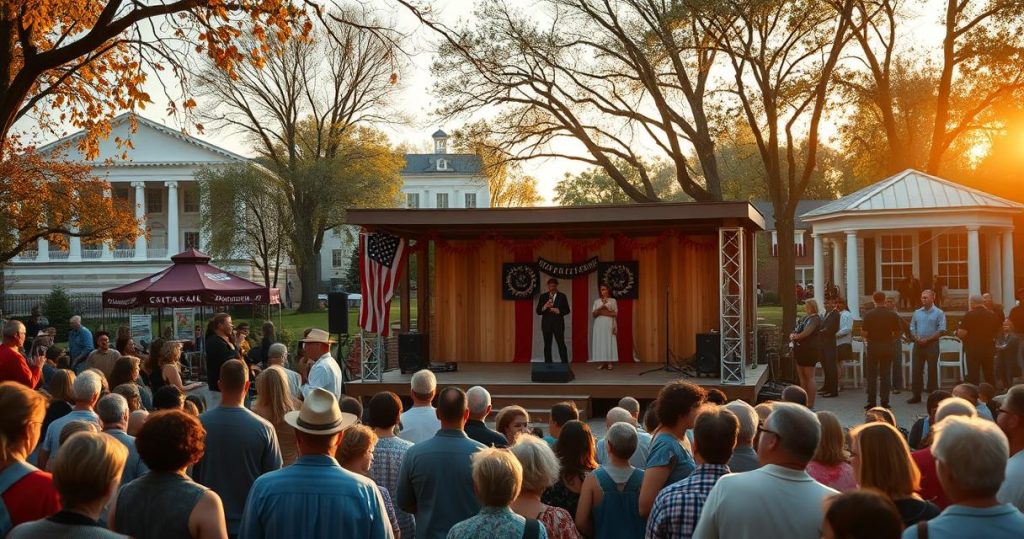
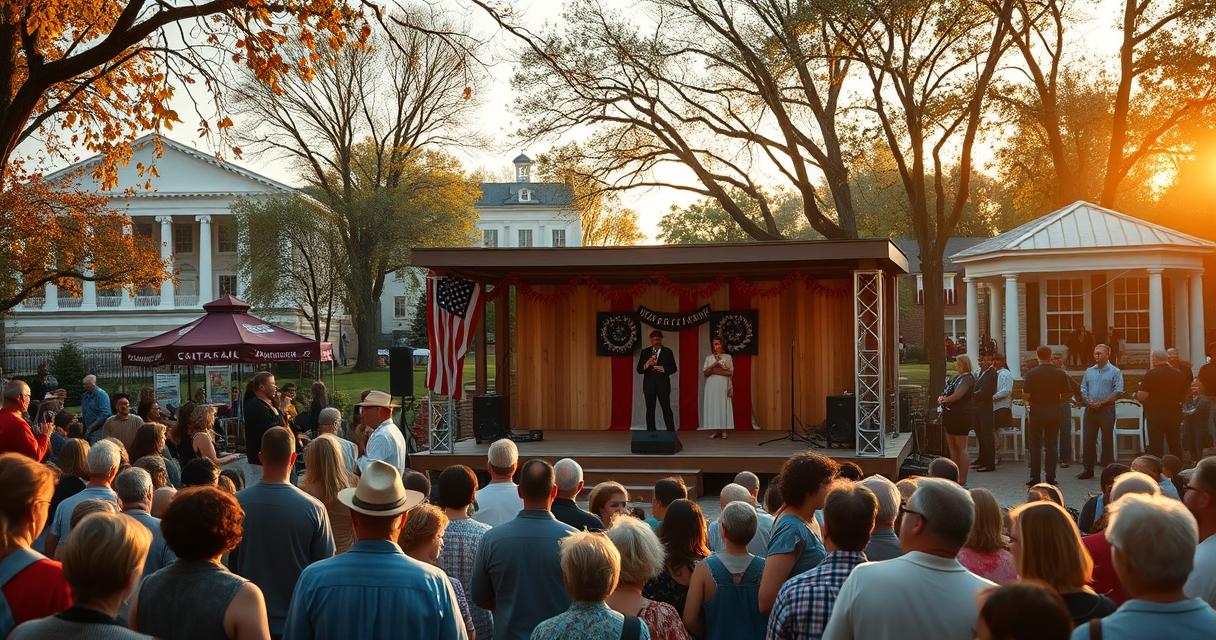
Celebrating Indiana’s Bicentennial Through Community Programs
The Indiana Bicentennial marked a significant milestone in the state’s history, celebrating 200 years of culture, heritage, and community. To honor this occasion, various community programs were initiated across the state, aiming to engage residents and promote local pride. These programs not only provided entertainment and education but also fostered connections among community members. From educational workshops to public art displays, the bicentennial initiatives showcased the rich tapestry of Indiana’s history and the diverse voices that contribute to its ongoing narrative.
Community Engagement and Participation
One of the most impactful aspects of the Indiana Bicentennial was the emphasis on community engagement. Local organizations and residents collaborated to plan events that reflected their unique histories and cultures. Town halls, festivals, and educational events were organized to encourage participation from all age groups. For instance, many communities hosted storytelling events where residents shared their personal histories, creating a sense of unity and connection. This grassroots approach ensured that the bicentennial celebrations resonated deeply with the local populace, making the events more meaningful and memorable.
Bicentennial Legacy Projects
The Indiana Bicentennial Legacy Projects were designed to leave a lasting impact on communities throughout the state. Funded by grants and community efforts, these projects focused on enhancing public spaces and promoting cultural heritage. Examples include the restoration of historic buildings, the creation of community gardens, and the establishment of local museums. These initiatives not only beautified neighborhoods but also served as educational resources for future generations. By investing in these legacy projects, Indiana demonstrated its commitment to preserving its history while fostering a sense of pride among its residents.
On the LOCAL 12 channel, they cover the bicentennial gala celebrating Covington’s history, and you can watch it right here.
Educational Initiatives
Education played a pivotal role in the bicentennial celebrations, with numerous programs aimed at schools and educational institutions. The Indiana Historical Society developed resources for teachers to incorporate state history into their curricula. Workshops and seminars were held to train educators on how to engage students with Indiana’s rich past. Additionally, special events like the “Bicentennial Schools Challenge” encouraged students to research and present on local history, promoting a deeper understanding and appreciation of their heritage. These educational initiatives not only informed the youth but also instilled a sense of civic responsibility and pride in their state.

Art and Cultural Events
The bicentennial celebrations were also marked by a vibrant array of art and cultural events. Local artists were encouraged to create works that reflected Indiana’s history and culture, resulting in public art installations and exhibitions across the state. From murals celebrating historical figures to sculptures inspired by local folklore, these artistic endeavors provided a platform for community expression. Festivals featured performances by local musicians and dancers, showcasing Indiana’s diverse cultural landscape. Such events not only entertained but also educated attendees about the various cultural influences that have shaped the state.
Health and Wellness Programs
Recognizing the importance of community well-being, many bicentennial programs included health and wellness initiatives. Local health organizations partnered with community centers to offer free health screenings, fitness classes, and nutritional workshops. These programs aimed to promote healthier lifestyles while encouraging community bonding through shared activities. Events like community walks and runs were organized, emphasizing the significance of physical activity and mental health. The bicentennial’s focus on wellness underscored the belief that a healthy community is essential for a thriving society.
Commemorative Events and Ceremonies
Throughout the bicentennial year, various commemorative events and ceremonies were held to honor Indiana’s history and achievements. Statewide celebrations included parades, fireworks, and speeches by local leaders. Notably, the “Bicentennial Torch Relay” saw communities pass a symbolic torch across the state, representing unity and shared history. These events not only celebrated the past but also looked forward to the future, inspiring residents to continue contributing to their communities. The sense of pride and camaraderie fostered during these celebrations left a lasting impression on participants, reinforcing their connection to Indiana.
Looking Ahead: The Legacy of the Bicentennial
The Indiana Bicentennial community programs have set a strong foundation for future initiatives. The partnerships formed during this celebration have the potential to continue fostering collaboration among residents and organizations. Many communities are already discussing plans to sustain the momentum generated by the bicentennial, ensuring that the spirit of engagement and pride remains alive. By reflecting on the successes of these programs, Indiana can continue to build a vibrant and connected community for generations to come. As the state moves forward, the lessons learned from the bicentennial celebrations will undoubtedly shape its future endeavors.

I love exploring how communities come together and sharing stories about local events. I enjoy writing about the cultural trends that shape our social fabric and helping readers discover new experiences.