The Art of Gathering: How Festivals Foster Neighborhood Bonds
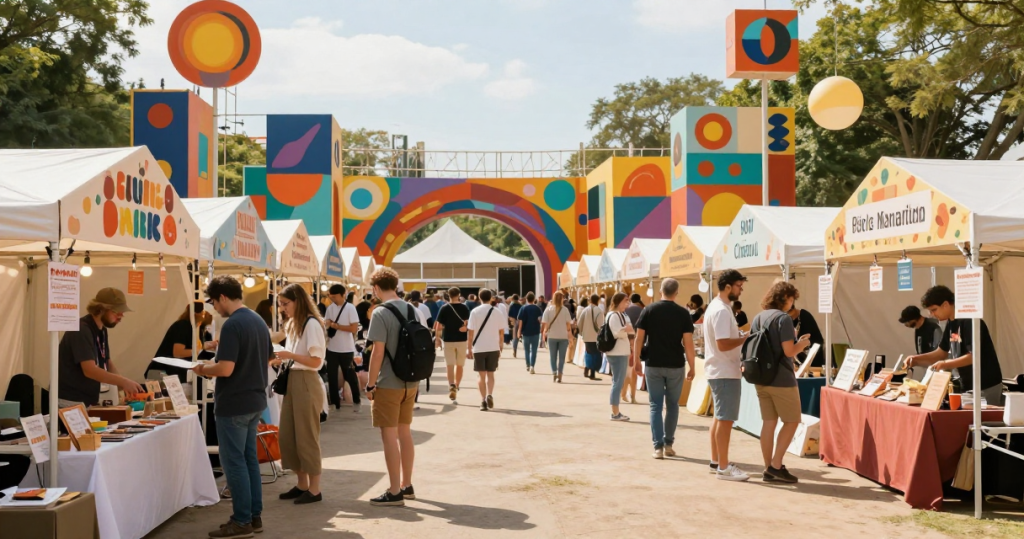
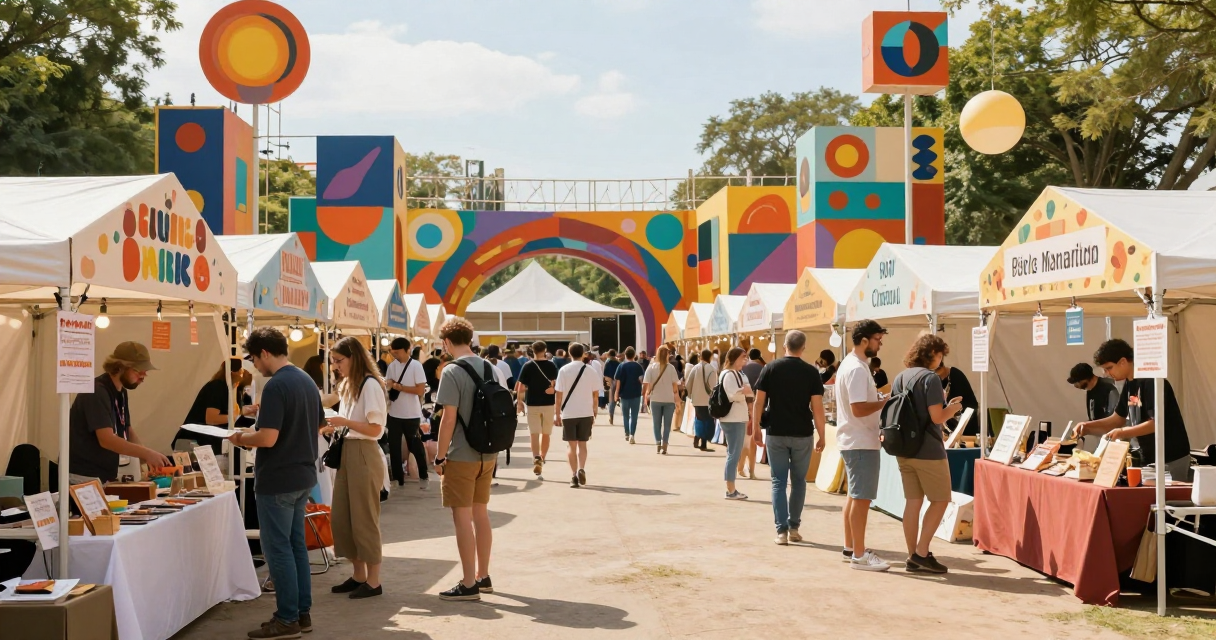
Community events, particularly those that artfully blend creative expression with culinary delights, serve as powerful catalysts for neighborhood engagement. These gatherings, often centered around an art food theme, are more than just occasions for entertainment; they are deliberate platforms designed to bring people together, spark conversations, and strengthen the social fabric of a community. By providing shared experiences, they encourage residents to interact with one another, discover local talent, and develop a greater sense of belonging and collective identity. The success of such events hinges on careful planning and a deep understanding of what makes a neighborhood thrive.
Curating the Experience: Event Scope and Impact
The scale and focus of an art food festival significantly influence its capacity to drive neighborhood engagement. A smaller, hyper-local event might focus on showcasing artists and food vendors from within a specific district, fostering a sense of pride and ownership among immediate neighbors. For instance, a neighborhood association might organize a block party featuring local painters and bakers, creating intimate opportunities for interaction. Conversely, a larger, city-wide festival can attract a broader audience, introducing residents to different parts of their city and encouraging cross-neighborhood connections. The key is to ensure the event’s scope aligns with its intended impact, whether that’s deepening existing local ties or building new ones across a wider area.
Venue Selection: Setting the Stage for Interaction
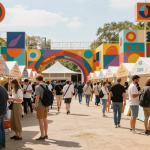
The choice of venue plays a critical role in shaping the atmosphere and accessibility of an art food festival, directly impacting how residents engage. Public parks, for example, offer open spaces conducive to a relaxed, family-friendly environment, encouraging spontaneous mingling and allowing ample room for art installations and food stalls. A well-chosen park can become a vibrant community hub for a day, drawing people from surrounding streets. Alternatively, utilizing commercial streets or town squares can lend a more urban, energetic feel, potentially driving foot traffic to local businesses and integrating the festival experience into the daily rhythm of the neighborhood. The venue’s existing character and accessibility for diverse groups, including those with mobility challenges, are paramount considerations for inclusive engagement.
Programming Diversity: Appealing to a Broad Spectrum of Interests
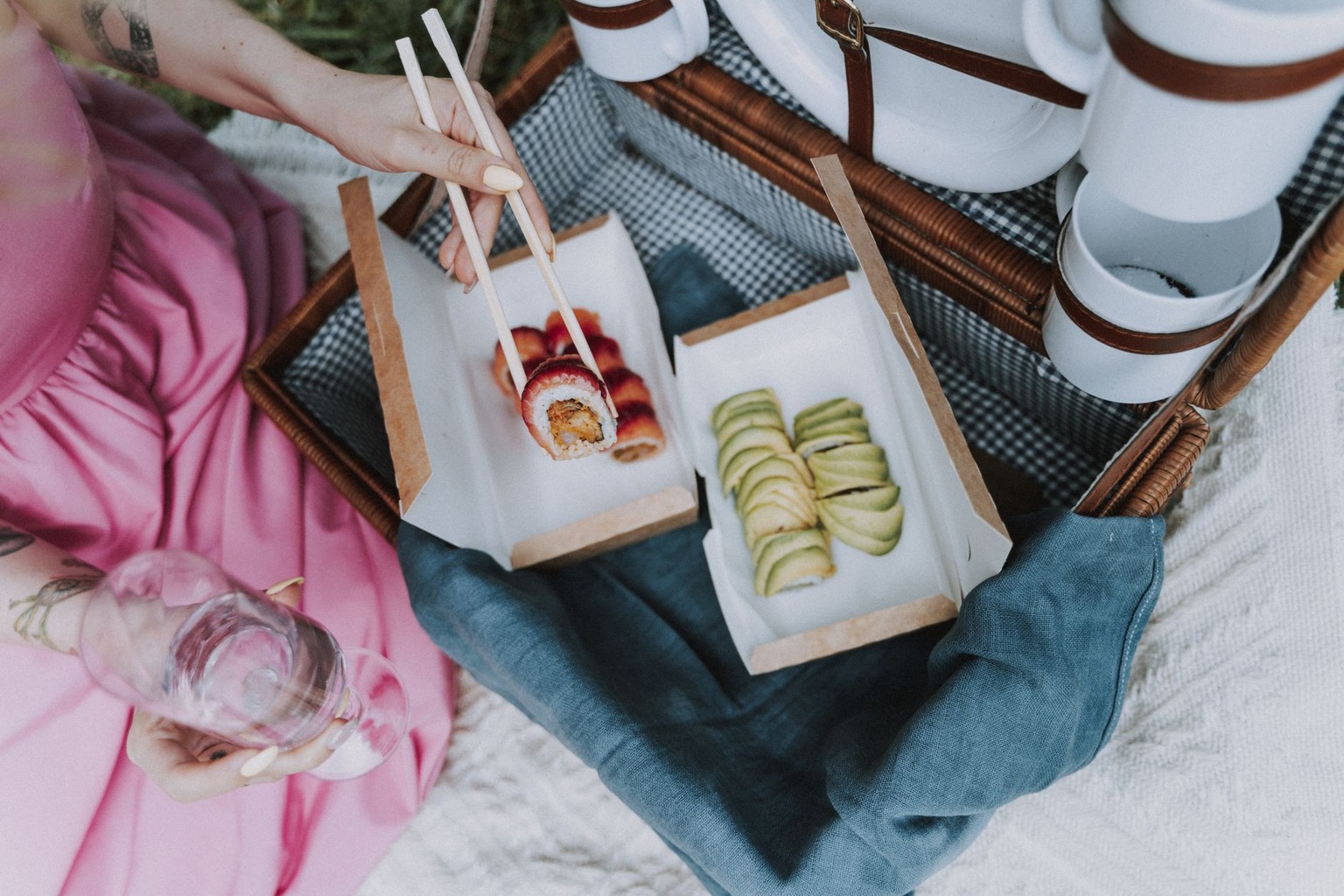
To maximize neighborhood engagement, art food festivals must offer a diverse range of programming that appeals to various age groups and interests. This can include interactive art workshops for children, live music performances catering to different tastes, and cooking demonstrations by local chefs. The inclusion of activities that encourage participation, rather than just passive observation, is crucial. For example, a collaborative mural painting project allows residents of all ages to contribute to a shared artistic endeavor, creating a lasting symbol of community effort. Similarly, offering a variety of food options, from gourmet food trucks to local comfort food vendors, ensures that the culinary aspect of the festival resonates with a wide demographic, making the event more inclusive and appealing.
Local Partnerships: Amplifying Community Voice
The strength of a neighborhood’s engagement with an art food festival is significantly amplified through strategic local partnerships. Collaborating with existing community organizations, schools, and businesses can lend credibility and reach to the event. For instance, partnering with a local art gallery can provide access to established artists and a network of patrons, while working with a school’s art department can involve young talent and engage families. These collaborations not only distribute the workload but also ensure that the festival reflects the unique character and priorities of the neighborhood. When local entities co-create and co-host, the event feels more authentic and is more likely to be embraced by residents as their own.
Marketing and Outreach: Ensuring Inclusivity and Awareness
Effective marketing and outreach are fundamental to driving widespread neighborhood engagement with an art food festival. A multi-channel approach is essential, reaching beyond typical event promotion to connect with diverse segments of the community. This might involve distributing flyers in multiple languages at local community centers, utilizing social media platforms to target specific neighborhoods, and partnering with local news outlets to generate buzz. Crucially, outreach efforts should actively seek to include underrepresented groups, perhaps by hosting pre-event planning sessions in accessible locations or ensuring promotional materials are available in various formats. The goal is to make sure everyone in the neighborhood feels informed, invited, and valued.
Measuring Success: Beyond Attendance Figures
While attendance numbers provide a basic metric, truly assessing the success of an art food festival in driving neighborhood engagement requires looking beyond simple crowd counts. A more insightful approach involves measuring qualitative indicators of community connection. This could include post-event surveys that gauge residents’ feelings of belonging, the number of new connections made between neighbors, or increased participation in subsequent community activities. Observing the social interactions during the event itself, whether people are conversing, sharing food, or collaborating on art projects, offers valuable insights. Ultimately, a successful festival is one that leaves residents feeling more connected to each other and to their shared neighborhood space.

I love exploring how communities come together and sharing stories about local events. I enjoy writing about the cultural trends that shape our social fabric and helping readers discover new experiences.