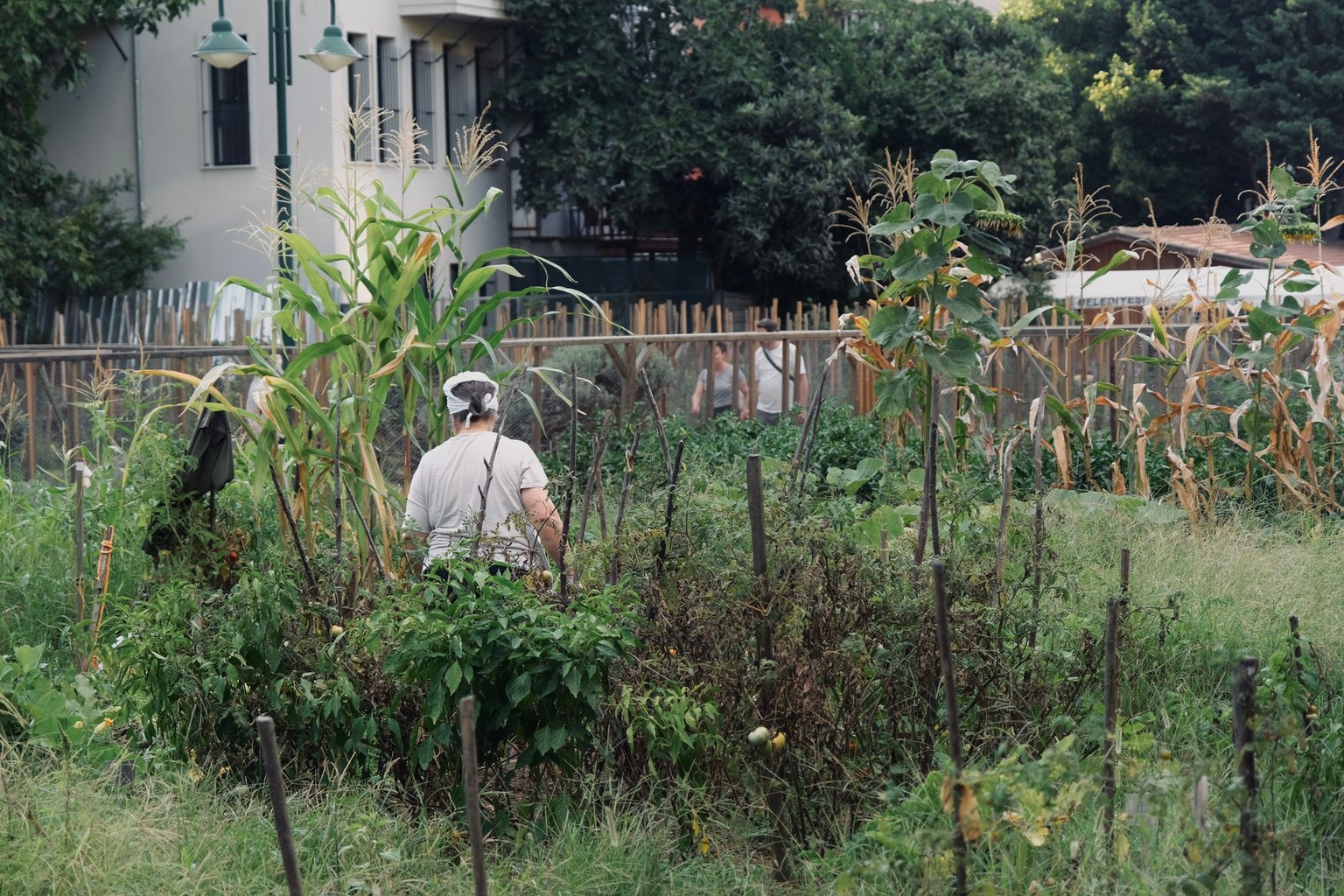
When residents and visitors join authentic tours designed around local storytelling, they encounter the living culture that defines a neighborhood rather than a polished highlight reel. These experiences prioritize direct interaction with shop owners, historians, and longtime residents who shape daily life on the street. The result is a deeper civic connection that strengthens community pride and encourages repeat engagement. By focusing on unscripted moments, organizers reveal the social fabric that standard guidebooks often miss. This approach transforms a simple walk into a shared act of place-making.
Defining the Core of Authentic Tours
An authentic tour distinguishes itself by handing narrative control to the people who live the history every day. Instead of a single guide reciting memorized dates, a block captain might describe how a vacant lot became a community garden after three years of volunteer labor. That shift in voice moves the experience from passive consumption to active witness. Organizers in Holland have found that groups capped at twelve participants allow for spontaneous questions that derail rehearsed scripts in productive ways. The intimacy of scale preserves the nuance that larger commercial operations inevitably flatten.
Data from recent municipal tourism reports indicate that visitors who join these smaller walks spend forty percent more time in local businesses afterward. Economic impact studies tie that dwell time directly to the trust built during unscripted conversations with proprietors. When a baker explains the origin of a rye recipe brought from a great-grandmother’s kitchen, the transaction becomes relational rather than transactional. That distinction sustains the informal economy that keeps main streets viable. Authenticity, in this sense, is measurable in both social capital and sales tax revenue.
Community Character as a Living Archive
True community character resides in the accumulated gestures of daily life rather than in monuments or plaques. A walking route that pauses at a corner where teenagers have played pickup basketball for three decades captures intergenerational memory more vividly than a statue ever could. Organizers who map these informal landmarks create a living archive that evolves with each season. In practice, this means the tour script changes when a beloved diner closes or a new mural appears on a brick facade. Flexibility becomes a methodological requirement rather than an afterthought.
Local historians in the region emphasize that oral histories collected during these walks often correct official records. A 2022 project comparing municipal land-use maps with resident recollections uncovered five sites of cultural significance absent from planning documents. Those omissions matter because they determine where preservation grants flow. When tours surface hidden narratives, they function as advocacy tools that reshape public policy. The walk becomes a mobile town hall where evidence is gathered in real time.
Designing Routes Around Social Infrastructure
Effective route design follows the invisible lines of social infrastructure rather than geographic convenience. A path that connects a library branch, a community garden, and a volunteer-run tool-lending library reveals how residents share resources without formal institutions. Planners who ignore these nodes produce routes that feel sterile even when they pass historic buildings. The most resonant walks in Holland trace the morning coffee circuit of freelance writers who use the same corner table at the independent cafe. That rhythm exposes the creative economy that powers neighborhood vitality.
On the Our Awesome World channel they explain how authentic tours reveal true community character—you can watch it right here.

Mapping software now allows organizers to layer census data, foot-traffic counts, and oral-history pins onto a single interface. When a proposed route overlaps with a high-density senior housing block, guides adjust pacing and add seating stops. This data-informed empathy prevents the exclusion of mobility-limited residents who hold the longest institutional memory. Inclusive design expands the audience and deepens the narrative pool simultaneously. The route itself becomes a statement about who belongs in the public sphere.
Balancing Visitor Expectations With Resident Boundaries
Tour operators face a constant tension between visitor curiosity and resident privacy. A homeowner may welcome a group pausing on the sidewalk to discuss architectural details but draw the line at peering into a backyard vegetable patch. Clear boundary agreements, signed annually, protect domestic space while preserving access to shared stories. In one Holland neighborhood, a resident council vetoed a proposed stop at a sacred burial mound, redirecting the guide to a nearby interpretive sign instead. That decision reinforced trust and kept the tour welcome on the block.
Economic pressure to expand group sizes or add weekend slots often clashes with these agreements. Operators who resist scaling beyond the agreed capacity report higher guide retention and fewer noise complaints. The calculus is simple: a guide who knows every household by name can navigate sensitive topics with humor and discretion. A stranger reading a script cannot. Investing in long-term guide development pays dividends in community goodwill that no marketing budget can buy. Authenticity survives only when the hosts remain comfortable.
Measuring Impact Beyond Attendance Numbers
Attendance figures tell organizers how many people showed up, but they reveal little about shifted perceptions. Post-walk surveys that ask participants to name one story they will retell produce richer metrics. In a pilot study, sixty-eight percent of respondents could recount a specific resident anecdote three months later, compared with twelve percent for standard historical tours. That retention signals genuine cognitive engagement rather than fleeting entertainment. Funders increasingly demand this qualitative evidence when renewing grants for community programming.
Longitudinal tracking shows that repeat attendees often transition from tourists to volunteers. A local arts council documented fourteen cases in two years where walk participants joined neighborhood clean-up crews or attended zoning hearings. The pipeline from observer to advocate strengthens civic capacity in measurable ways. When a city council member credits a tour stop for changing her vote on a historic-district expansion, the impact loop closes. Evaluation frameworks that capture these stories become essential organizational infrastructure.
Funding Models That Preserve Independence
Reliance on a single municipal grant or corporate sponsor can subtly steer narrative choices toward safe, promotional territory. Diversified revenue, sliding-scale tickets, neighborhood association dues, and micro-grants from arts councils, insulates programming from external editorial pressure. One Holland collective operates on a cooperative model where guides hold equity and vote on route changes. That governance structure aligns financial incentives with community accountability. Profits are reinvested in guide training and accessibility upgrades such as audio-description headsets.

Crowdfunding campaigns tied to specific route expansions allow residents to direct resources toward stories they value. A recent campaign to add a multilingual stop at the historic Polish hall raised twelve thousand dollars in three weeks, largely from diaspora families. The financial success signaled broad communal ownership of the narrative. Transparent budgeting, published annually on the organization’s website, reinforces credibility with both donors and skeptics. Financial architecture, often overlooked, determines whether authenticity survives its own popularity.
Adapting to Seasonal Rhythms and Crisis Moments
Community character shifts with the calendar, and tours that ignore seasonal rhythms feel disconnected from lived experience. A summer route highlighting porch concerts and night markets transforms in winter into a story of mutual-aid networks clearing snow for elderly neighbors. Guides who maintain year-round relationships with residents can pivot narratives without fabricating content. During the 2020 pandemic lockdown, one collective shifted to porch-side storytelling where households shared quarantine journals at safe distances. The format preserved connection when traditional walks were impossible.
Crisis adaptation reveals the resilience of the underlying social fabric. After a severe flood damaged three blocks of the historic district, guides incorporated recovery updates into every stop, turning the walk into a real-time needs assessment. Volunteers distributed resource cards printed with mental-health hotlines and contractor vetting checklists. The tour became infrastructure for disaster response. Organizations that embed this flexibility into their mission statements recover faster and retain deeper community trust. Authenticity is not a fixed product but a practice of responsive presence.

I love exploring how communities come together and sharing stories about local events. I enjoy writing about the cultural trends that shape our social fabric and helping readers discover new experiences.