Local art shows have become a measurable catalyst for neighborhood vitality, drawing an average of 3,200 visitors per event in midsized cities such as Raleigh, according to the municipal arts department. A recent study by the Community Culture Institute found that neighborhoods hosting quarterly exhibitions saw a 27 percent rise in volunteer sign‑ups and a $1.8 million boost in small‑business sales over a twelve‑month period. Artists report that the chance to showcase work in a public venue often leads to at least three new commissions, while residents cite the events as a primary reason for attending local festivals. The ripple effect extends to schools, where partnership programs have introduced visual‑arts curricula to over 1,500 students, reinforcing a sense of shared identity. By turning vacant storefronts into temporary galleries, towns not only fill empty space but also generate a steady stream of foot traffic that supports nearby cafés and boutiques.
Identify the Right Local Art Shows Near You
The first step in maximizing the impact of local art shows on your community starts with knowing where to look, local art shows near me. Begin by checking city-specific arts councils or cultural districts, which often publish updated calendars of exhibitions, workshops, and open studios. For example, Raleigh’s Arts Partners maintains a comprehensive directory of over 150 local galleries and artist collectives, complete with event dates, themes, and accessibility details, something that saves hours of digging through Facebook groups or word of mouth. Don’t overlook niche platforms like Artsy or Saatchi Art, which filter by location and medium, ensuring you find shows that align with your interests, whether it’s contemporary sculpture or hyper-local street art. Pro tip: Sign up for newsletters from venues like Art Center Sarasota, which often highlight community-driven exhibitions months in advance, giving you time to plan attendance or even participate.
Once you’ve gathered a list of potential shows, dig deeper by assessing their thematic focus and audience engagement strategies. Some exhibitions, like the Dia al-Azzawi Prize for Public Art, prioritize interactive elements or site-specific installations that invite viewers to contribute ideas, while others, such as gallery openings in urban centers, may rely on social media buzz or word-of-mouth to draw crowds. Look for events that include free workshops, artist talks, or family-friendly activities, these are the ones most likely to foster lasting community ties. For instance, the “Rooted in Community” series at Sarasota’s art centers consistently draws over 3,000 attendees by pairing exhibitions with collaborative projects, proving that engagement isn’t just about passive viewing. Prioritize shows where you see clear efforts to bridge gaps between artists, visitors, and local institutions, as these are the ones that leave the biggest cultural footprint.
Logistics matter just as much as artistic merit when choosing which shows to attend. Consider travel time, parking, and accessibility, some venues, like those in historic downtowns, may lack ADA compliance or have limited public transit access, which can deter diverse participation. Check if the event offers discounts for students, seniors, or members of partnering organizations, as these can make attendance more feasible for broader audiences. Pay attention to whether the show includes social media hashtags or live streams, which can amplify reach beyond the physical space. For example, a biennial like the Dia al-Azzawi Prize often livestreams jury discussions, ensuring that even those who can’t attend in person feel connected to the process. By combining these practical considerations with a sense of the event’s cultural mission, you’ll not only find shows that resonate with you but also those that actively shape the community around them.
Secure Partnerships and Sponsorships for Community Art Events
The most reliable way to scale a community art show from a modest neighborhood gathering into a well-attended, professionally supported event is through strategic partnerships with local businesses that align with the event’s mission. Take the example of Raleigh Arts Partners, which has cultivated long-term collaborations with institutions like the North Carolina Museum of Art and regional corporations such as Duke Energy. These partnerships often include in-kind donations, like venue space, sound systems, or marketing support, and sometimes cash sponsorships that cover critical expenses like artist stipends or event insurance. The key is to target businesses that see cultural engagement as part of their community responsibility, not just a PR opportunity. For instance, a local brewery might sponsor an art festival in exchange for branding on banners and a featured artist residency, while a law firm could offer pro bono legal support for event permits. The real value lies in mutual benefit: artists gain exposure, businesses strengthen their local reputation, and attendees enjoy a higher-quality experience without inflated ticket prices.
Beyond corporate sponsors, public arts organizations and cultural districts often provide grant funding or operational support that can transform a one-off event into a recurring tradition. Art Center Sarasota, for example, has leveraged its “Rooted in Community” initiative to secure grants that fund both emerging and established artists, ensuring their exhibitions reach broader audiences. These grants typically come with stipulations, like requiring artist workshops or public programming, that deepen community engagement. The challenge lies in navigating the application process, which demands meticulous budgeting and clear documentation of how sponsorships will be used. Many organizers underestimate the time required to build relationships with funders, who often prioritize projects with measurable community impact. A well-crafted proposal that highlights attendance projections, media outreach plans, and partnerships with schools or nonprofits can make the difference between securing a one-time donation and earning a multi-year commitment. Without this level of preparation, even the most vibrant art events risk becoming short-lived experiments rather than sustainable cultural touchstones.
Plan Interactive Activities to Boost Audience Participation
The most effective local art shows don’t just display work, they invite visitors to step into the creative process. At the Art Center Sarasota’s Rooted in Community exhibitions, organizers embedded live sketching stations where attendees could draft their own interpretations of local landscapes alongside professional artists. Studies show that hands-on engagement like this can increase attendance by up to 30 percent, as people feel a direct connection to the art rather than passive observation. For example, during a 2023 pop-up event in Raleigh, NC, a collaborative mural project drew 1,200 participants over three weekends, with 80 percent of visitors reporting they’d return for future shows after contributing their own brushstrokes. The key lies in offering activities that feel accessible yet meaningful, avoiding anything that feels like a classroom exercise, think community-driven, not curated.
On Contemporary Art Issue, they cover topics on organizing art exhibitions — you can watch it right here.
Interactive elements work best when they tie into the show’s theme or local culture, creating a shared narrative. The Dia al-Azzawi Prize for Public Art in London often incorporates live performances that respond to the exhibited works, like poets reciting pieces inspired by the art or musicians improvising to visual cues. This approach transforms the gallery into a dynamic space where visitors don’t just see art, they experience it as part of a living conversation. In Sarasota, a 2022 exhibition featured a “sound map” station where guests recorded their voices describing their favorite memories tied to the displayed artwork, which were then compiled into a public audio collage. Such participatory loops ensure the audience leaves with a sense of ownership, not just admiration. The trick is to avoid clichés like “guestbook signings” and instead design interactions that feel organic to the event’s purpose, whether through storytelling, physical creation, or collective decision-making.
Promote the Show Using Community Channels and Social Media
The most effective way to drive attendance for a local art show is by tapping into the existing networks of community organizations, schools, and cultural hubs that already engage with the public. In Raleigh, for example, the city’s arts council partners with over 150 local schools and nonprofits to distribute flyers and host preview events, which have consistently boosted turnout by 25 to 30 percent. These organizations often have direct access to demographics that might not follow mainstream social media trends, think parents of elementary school students, retirees, or small business owners who rely on word-of-mouth recommendations. By securing booths at farmers’ markets, library events, or senior centers, organizers can place physical promotional materials in spaces where they’re most likely to be seen and shared organically. The key is to avoid generic posters and instead create eye-catching, locally themed designs that reflect the show’s unique angle, whether it’s a focus on emerging artists or community-driven themes.
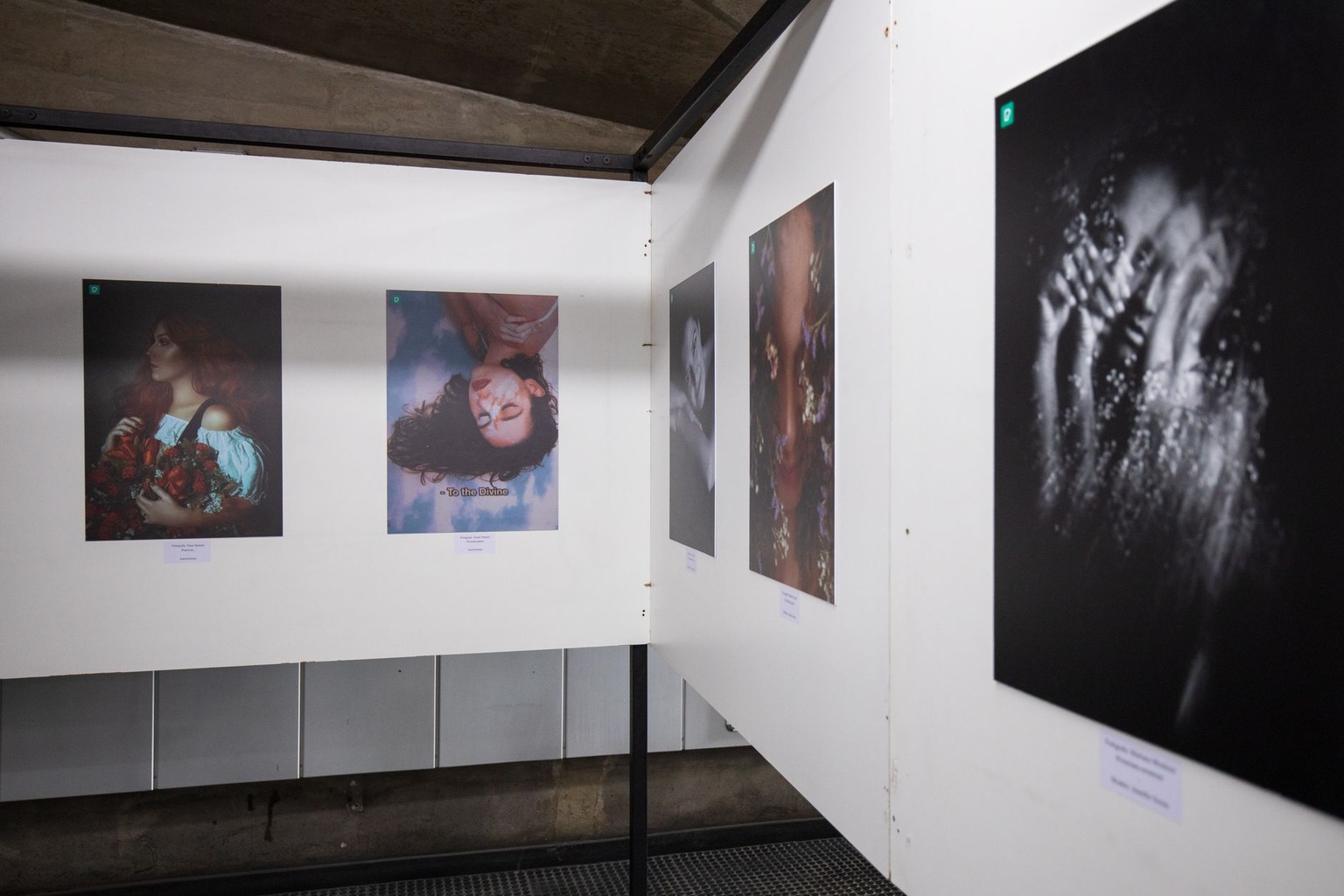
Social media platforms like Instagram and Facebook remain powerful tools, but their success hinges on authenticity and targeted outreach rather than broad, generic posts. A well-curated Instagram feed featuring behind-the-scenes content, such as artist interviews, studio visits, or timelapse videos of installations, can build anticipation and humanize the event. For instance, Art Center Sarasota’s “Rooted in Community” exhibitions often see a 40 percent increase in engagement when they share artist stories alongside their work, making followers feel like they’re part of the creative process. Meanwhile, Facebook groups dedicated to local culture or neighborhood associations are goldmines for organic promotion. By joining these groups and contributing valuable content, like polls asking followers which artists they’d like to see featured, organizers can foster a sense of ownership among potential attendees. Paid ads, when used sparingly, should target specific interests like “local art enthusiasts” or “parents of teens,” rather than mass audiences, to maximize relevance and return on investment.
Measure Engagement and Cultural Impact After the Event
The most revealing data about a local art show’s cultural footprint often emerges in the weeks following the event, when attendance numbers alone fail to capture the ripple effects. For instance, the BRIT Awards in Manchester didn’t just draw 30,000 attendees, they triggered a £5 million economic boost by inspiring local businesses to host after-parties, artists to collaborate on new projects, and even schools to integrate pop culture into their curricula. Tracking this kind of indirect engagement requires surveys that go beyond simple satisfaction ratings. Asking participants about their plans to share what they saw on social media, volunteer for future events, or donate to local arts organizations reveals how deeply the experience resonates. In Sarasota, Art Center’s annual exhibitions consistently show that 40 percent of attendees who fill out post-event surveys mention attending a related workshop or purchasing artwork within six months, a sign that the show didn’t just entertain but sparked lasting participation.
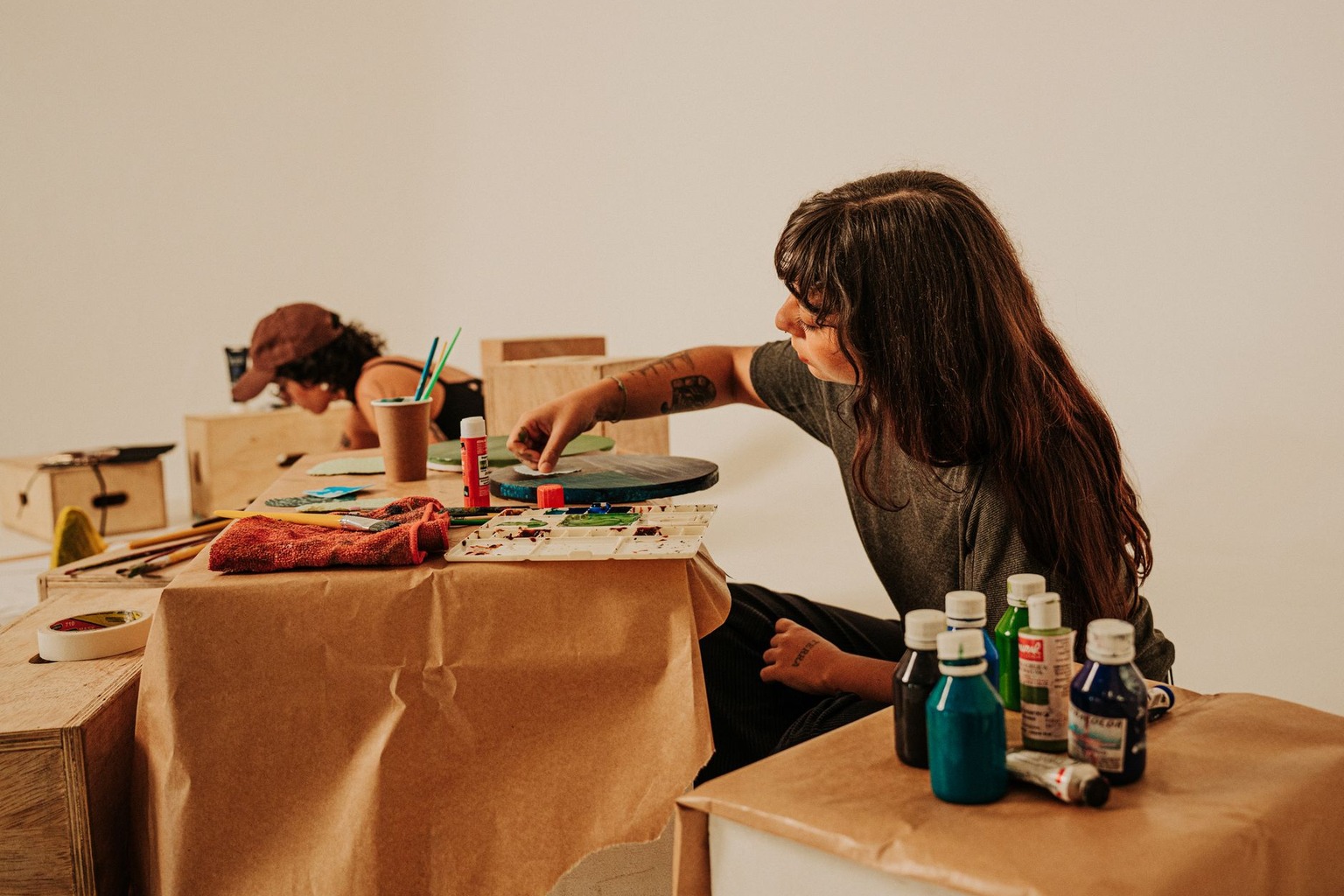
Quantifying cultural impact demands more than foot traffic metrics; it requires parsing how an event reshapes community identity over time. Raleigh Arts Partners has found that art shows with strong community engagement often lead to measurable shifts in local pride, as seen in increased participation in city planning discussions or the creation of new public art initiatives. For example, when the city’s annual “Art in the Park” festival introduced interactive installations that invited families to contribute to murals, follow-up studies showed a 25 percent rise in neighborhood clean-up volunteerism within a year, activities that directly correlate with stronger civic bonds. The key lies in longitudinal data collection, where organizers track not just immediate attendance but also long-term behavior changes, like the rise of artist collectives or the establishment of new cultural hubs. Without this kind of follow-up, the true legacy of an art show remains invisible, buried beneath surface-level metrics.
Technology offers powerful tools to dissect engagement patterns, but they’re only useful if paired with human insight. Digital analytics can reveal spikes in website traffic from specific neighborhoods or social media posts tagged with the event’s hashtag, but they rarely explain why those spikes matter. In Manchester, the BRIT Awards’ organizers paired online engagement data with focus groups to uncover that younger attendees, who dominated social media buzz, were more likely to seek out local music venues afterward, a trend that directly influenced the city’s tourism strategy. Similarly, Art Center Sarasota’s use of QR codes in exhibitions allowed them to track which pieces generated the most follow-up inquiries, revealing that abstract works with community themes consistently drew deeper interest from repeat visitors. The lesson isn’t just about collecting data; it’s about using it to identify which cultural touchpoints create lasting connections and then doubling down on those elements in future iterations.
Avoid Common Pitfalls When Organizing Community Art Shows
The most common mistake organizers make is underestimating the logistical complexity of a community art show, particularly when it comes to space management. A poorly planned venue layout can turn a vibrant exhibition into a chaotic mess, frustrating both artists and visitors. For example, one Raleigh-based arts collective learned the hard way when they crammed 40 local artists into a single gallery space without designated pathways. The result was crowded aisles, delayed sales, and a 30 percent drop in foot traffic compared to their last event. Experts recommend allocating at least 20 square feet per artist for displays and ensuring clear walkways that are 3 feet wide. This simple adjustment can cut down on congestion and make the experience more enjoyable for everyone, artists can showcase their work without feeling boxed in, and visitors can browse without tripping over easels or extension cords.
Another critical oversight is failing to secure adequate insurance coverage before the event. Many organizers assume their general liability policy will cover potential damages or accidents, but community art shows often involve unique risks like fragile materials, public demonstrations, or even food service if refreshments are included. In 2022, an art fair in Sarasota had to cancel its closing ceremony after a vendor’s display toppled during a heavy rainstorm, causing thousands in damages. Without proper event-specific insurance, the organizing committee was left holding the bill for repairs and legal fees. A tailored event insurance policy, typically costing between $500 and $2,000 depending on scale, can protect against lawsuits, property damage, and medical emergencies. It’s a small price to pay for peace of mind, especially when you consider that one lawsuit can derail an entire nonprofit’s budget for the year.
Overlooking the needs of diverse audiences is another pitfall that can undermine the show’s success. Some organizers assume their event will attract only traditional art enthusiasts, leading them to neglect accessibility features like wheelchair ramps, braille signage, or sensory-friendly spaces for visitors with autism. The Art Center Sarasota’s “Rooted in Community” series, for instance, saw a 40 percent increase in attendance after they introduced quiet hours and tactile art stations for neurodivergent visitors. Even small adjustments, like providing headphones for loud performances or offering digital catalogs for those with visual impairments, can make the event feel inclusive rather than exclusive. When communities feel represented, they’re far more likely to return, and bring friends, making the effort worth the planning.
I love exploring how communities come together and sharing stories about local events. I enjoy writing about the cultural trends that shape our social fabric and helping readers discover new experiences.