The power of a well-told story isn’t just about entertainment, it’s about connection. In communities where shared history and collective memory shape identity, the most meaningful gatherings aren’t lectures or workshops; they’re the moments when people gather to listen, reflect, and remember together. These are the heart of *community storytelling events*, where oral histories become the glue that binds generations, preserves cultural heritage, and fosters a sense of belonging. Whether in a small-town library or a neighborhood center, these events don’t just preserve voices, they revitalize them, ensuring that the stories of everyday people aren’t lost to time. The art lies in how they’re structured, who participates, and how the stories are later shared, making them more than just nostalgia, they’re active tools for community cohesion.
The Foundation: Why Oral Histories Matter in Community Building
Oral histories aren’t just anecdotes; they’re the raw material of collective memory. In communities where written records might be scarce or incomplete, the stories passed down through generations become the primary archive of local history. For example, in neighborhoods like K-Town in Los Angeles, oral history projects have captured the experiences of Korean immigrants and their descendants, filling gaps in official narratives with firsthand accounts of displacement, resilience, and cultural preservation. These stories aren’t passive; they’re dynamic, evolving as new listeners engage with them. The Kettering Foundation’s work in oral history demonstrates how these narratives can function as a democratic resource, giving marginalized voices the space to shape how history is understood. Without them, entire facets of a community’s identity risk being erased, replaced by generalized or sanitized versions of the past.
The psychological impact of oral histories is profound. Studies show that when people hear stories about their ancestors or peers, it triggers a sense of continuity and belonging. This is particularly powerful in aging communities or those undergoing rapid change, where traditional institutions like churches or family structures are weakening. In these cases, community storytelling events become a substitute for the social fabric that’s fraying, offering a space where people can affirm their place in a larger narrative. The act of listening itself is communal; it’s not just about the content but the shared experience of being present for someone else’s truth. That’s why these events often draw crowds long after the initial excitement of a new project fades, they fulfill a deeper human need for connection.
The Mechanics: How to Structure a Successful Storytelling Gathering
A well-organized community storytelling event isn’t just about inviting people to share memories; it’s about creating a framework that ensures those stories are heard, respected, and preserved. The first step is defining the purpose. Is the goal to document a fading neighborhood, celebrate a cultural milestone, or bridge generational divides? In East Austin’s Black oral history program, organizers focused on centering the voices of Black residents whose stories had been historically excluded from local archives. They structured the event as a series of one-on-one interviews followed by a public sharing session, ensuring that the most vulnerable participants weren’t pressured to perform in front of large crowds. This approach prioritized comfort over spectacle, which is critical for building trust in communities where storytelling might feel intimidating.
The logistics matter just as much as the content. For instance, providing clear guidelines about what constitutes a good story, whether it’s a moment of triumph, struggle, or everyday life, helps participants feel prepared. Some communities use prompts like “What’s a tradition you’d want future generations to know?” to spark reflections. Technology also plays a role; recording devices should be reliable, and backup systems should be in place to avoid losing stories due to technical failures. In Queens during Community Archiving Day, StoryCorps used portable recording booths to make the process feel intimate and professional, even in public spaces. The key is balancing structure with spontaneity, enough guidance to keep the event focused, but enough flexibility to let stories unfold naturally.
The Role of Facilitators: Guiding Without Dominating
The facilitator of a community storytelling event isn’t just a host; they’re a curator of memory. Their role is to create an atmosphere where participants feel safe enough to share deeply personal stories while also ensuring the event stays on track. In many oral history projects, facilitators are trained to listen actively, ask open-ended questions, and validate participants’ experiences without imposing their own interpretations. For example, in K-Town’s oral history initiative, facilitators were often community members themselves, which helped build rapport and trust. This local touch ensures that the stories collected reflect the community’s authentic voice rather than an outsider’s perspective. Facilitators also play a crucial role in managing dynamics, some participants might dominate the conversation, while others might withdraw entirely. Skilled facilitators can gently redirect energy or encourage quieter voices, ensuring the event remains inclusive.
On Community Coach Carmen, they cover community building and event planning – you can watch their video on hosting your next community event right here.
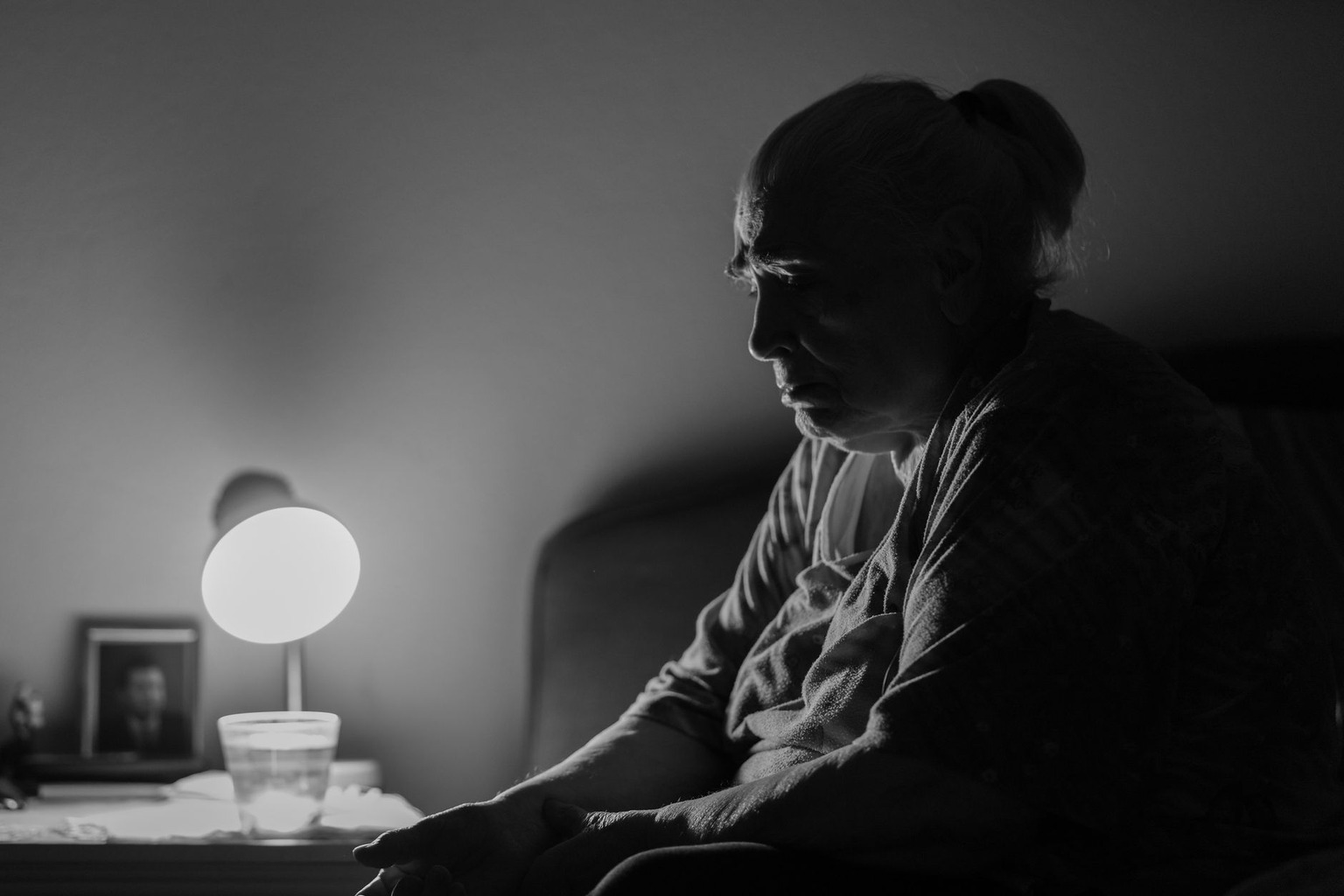
Another critical aspect of facilitation is handling sensitive topics. Stories of trauma, discrimination, or loss are common in oral histories, and facilitators must be prepared to navigate these conversations with empathy. The Kettering Foundation’s work emphasizes that oral history isn’t just about collecting stories; it’s about creating a space where participants can process their own histories. This means being prepared to offer resources, like counseling services or follow-up discussions, if needed. The best facilitators treat the event as a two-way street: they share their own stories when appropriate, modeling vulnerability and inviting others to do the same. This reciprocity deepens the sense of community and makes the event feel less like an interview and more like a shared ritual.
Beyond the Event: Preserving and Sharing Stories Long-Term
The magic of community storytelling events doesn’t end when the last participant leaves. The real work begins after the gathering, where the challenge is to ensure the stories don’t gather dust in a folder or a digital drive. In East Austin, the Black oral history project took a proactive approach by partnering with local archives to digitize and catalog the recordings, making them accessible to researchers, educators, and future generations. This step is essential for turning ephemeral memories into lasting resources. Without preservation, even the most powerful stories risk being forgotten, their impact diluted over time. Digital platforms, like StoryCorps’ online archive, allow communities to upload and share stories, creating a living library that grows with each new addition. For smaller communities, local libraries or cultural centers can serve as hubs for storing and promoting these narratives.
Sharing stories beyond the immediate audience is where their impact truly expands. For instance, oral histories can be adapted into public art installations, school curricula, or community theater performances, ensuring they reach new listeners. In K-Town, some stories were turned into murals or used in local history exhibits, turning abstract memories into tangible landmarks. Social media can also play a role, short clips or excerpts can be shared on platforms like Instagram or Facebook, reaching younger audiences who might not attend in-person events. The goal is to make oral histories feel relevant, not just to historians but to everyday people. When stories are repurposed in this way, they become part of the community’s ongoing conversation, reinforcing the idea that the past isn’t just something we study, it’s something we live with.
Challenges and Pitfalls: What Can Go Wrong?
Even the most well-intentioned community storytelling events can face obstacles if organizers aren’t prepared. One common issue is the pressure to “get it right” on the first try, leading to rushed planning or unrealistic expectations. For example, a community might assume that simply recording stories will be enough, only to realize later that the recordings are unusable due to poor audio quality or lack of context. To avoid this, organizers should invest time in piloting the process, testing equipment, practicing interview techniques, and gathering feedback from participants before the main event. Transparency about the process also helps; letting participants know how their stories will be used (and who will have access to them) builds trust and reduces anxiety. In Queens, StoryCorps’ use of standardized recording protocols ensured consistency across all sessions, making the final archive more reliable.

Another challenge is ensuring diversity in who gets to tell their stories. Some communities might unintentionally favor certain voices, those who are more articulate, more outgoing, or more connected to organizers. To combat this, events can use structured methods like rotating interviewers or providing written prompts to help quieter participants contribute. Language barriers can also be a hurdle; in multicultural communities, interpreters or multilingual facilitators are essential to ensure no one’s story is lost in translation. Finally, there’s the risk of tokenism, inviting a few people to share stories without giving them meaningful roles in the project’s planning or outcomes. The best oral history projects treat participants as collaborators, not just sources of information. When this happens, the stories become a true reflection of the community’s collective voice, not just a curated selection of the most “interesting” tales.
The Ripple Effect: How Storytelling Strengthens Community Ties
The enduring power of community storytelling events lies in their ability to create ripple effects that extend far beyond the event itself. When people hear stories about their neighbors’ struggles and triumphs, it fosters empathy and reduces the isolation that can come from urbanization or demographic shifts. In neighborhoods undergoing gentrification, for example, oral histories can serve as a counterbalance to the erasure of long-time residents’ memories. By centering these voices, communities can reclaim their narratives from developers, policymakers, and outsiders who might otherwise dictate how history is written. The act of listening also builds social capital, trust and cooperation, that strengthens the community’s ability to advocate for itself. In East Austin, the oral history project didn’t just preserve stories; it helped residents feel more connected to each other and more empowered to shape their future.
For younger generations, these events can be a gateway to understanding their roots. Many teens and young adults feel disconnected from their family histories, especially if they grew up in blended families or adopted communities. Oral history projects can bridge that gap by introducing them to elders’ stories in an engaging, low-pressure way. In Queens, StoryCorps’ intergenerational sessions often included grandparents recording stories for their grandchildren, creating bonds that last long after the recording is complete. This is where the true magic of storytelling happens, not just in the stories themselves, but in the relationships they help build. When communities invest in these moments, they’re not just preserving the past; they’re investing in a future where people remember they belong together.
I love exploring how communities come together and sharing stories about local events. I enjoy writing about the cultural trends that shape our social fabric and helping readers discover new experiences.