The psychology behind why people attend local festivals is rooted in deep human needs, connection, belonging, and shared joy, that go beyond mere entertainment. These gatherings thrive because they tap into universal desires for community, cultural identity, and emotional fulfillment. For organizers in the community and events space, understanding these motivations isn’t just academic; it’s a practical toolkit for designing festivals that draw larger crowds and create lasting impact. Whether it’s the rhythmic energy of a parade or the quiet camaraderie of a farmers’ market, festivals succeed when they align with how people naturally seek meaning in shared experiences.
The Role of Social Connection in Festival Attendance
Research consistently shows that people attend local festivals primarily because they crave social interaction. Studies on group dancing during Japanese festivals, for example, reveal that participants report stronger feelings of community after attending, even when they don’t know everyone present. This phenomenon isn’t limited to cultural events; it extends to food fairs, art walks, and music festivals alike. The act of gathering in person triggers oxytocin release, a hormone linked to bonding and trust, which makes attendees feel more connected to both the event and their neighbors. For organizers, this means festivals should prioritize inclusive spaces where strangers can easily become acquaintances, through shared activities, themed zones, or volunteer opportunities that encourage collaboration. When people feel like they belong, they’re far more likely to return, bringing friends and family along.
One overlooked aspect of social connection is the “third place” concept, popularized by sociologist Ray Oldenburg. These are neutral, informal settings, like a diner or community center, where people can gather outside home and work. Festivals serve this role perfectly, offering a temporary escape where attendees can socialize without the pressures of daily life. To leverage this, event planners should design spaces that invite lingering: outdoor seating areas, interactive stations, or even designated “meet-up” points where groups can naturally form. The key is to create environments that feel welcoming rather than transactional, ensuring attendees leave with new relationships rather than just memories of the event itself.
Another psychological trigger is the “halo effect,” where positive interactions with one person make attendees more likely to engage with others. For instance, a friendly vendor or volunteer can put an entire crowd at ease. Training staff to be approachable, through simple gestures like smiling or making eye contact, can significantly boost attendance. Even small gestures, like offering free samples or personalized recommendations, create positive associations that encourage repeat visits. When people feel valued as individuals, they’re more invested in the festival’s success and more likely to spread the word through word-of-mouth marketing, one of the most powerful drivers of attendance.
How Cultural Identity and Nostalgia Drive Participation
The psychology behind why people attend local festivals often ties to cultural identity and nostalgia, two powerful motivators that go beyond mere entertainment. Festivals like Oktoberfest or Cinco de Mayo attract crowds not just for the beer or food, but because they represent heritage and tradition. For many attendees, these events are a way to reconnect with their roots or celebrate shared history. This is especially true in communities with strong immigrant populations, where festivals become a bridge between old-world customs and modern life. Organizers can tap into this by highlighting the festival’s cultural roots, through storytelling, historical displays, or even inviting local historians to share insights. When attendees feel they’re participating in something meaningful, their emotional investment rises, leading to higher attendance and loyalty.
Nostalgia plays a particularly strong role in drawing older demographics, who often attend festivals to reminisce about their youth. For example, a county fair might attract families because it evokes memories of childhood rides and games. To capture this audience, organizers should incorporate elements that evoke nostalgia, such as retro music, classic games, or even food trucks serving dishes from the attendees’ formative years. The goal isn’t to create a museum of the past but to blend familiar elements with fresh experiences, like modern twists on traditional crafts or updated versions of beloved activities. This approach keeps the event relevant while honoring its heritage, making it appealing across generations.
Cultural identity also extends to local pride, which is a major factor in why people attend local festivals. Studies on community events show that attendees often report feeling a sense of ownership over the festival, especially when it’s organized by neighbors rather than corporations. To foster this pride, organizers should emphasize local participation, whether through community art installations, performances by hometown musicians, or partnerships with nearby businesses. When attendees see their community reflected in the event, they’re more likely to attend, volunteer, or even donate to ensure its success. This sense of ownership also translates into stronger word-of-mouth promotion, as people feel compelled to share their pride with others.
The Power of Novelty and Shared Experiences
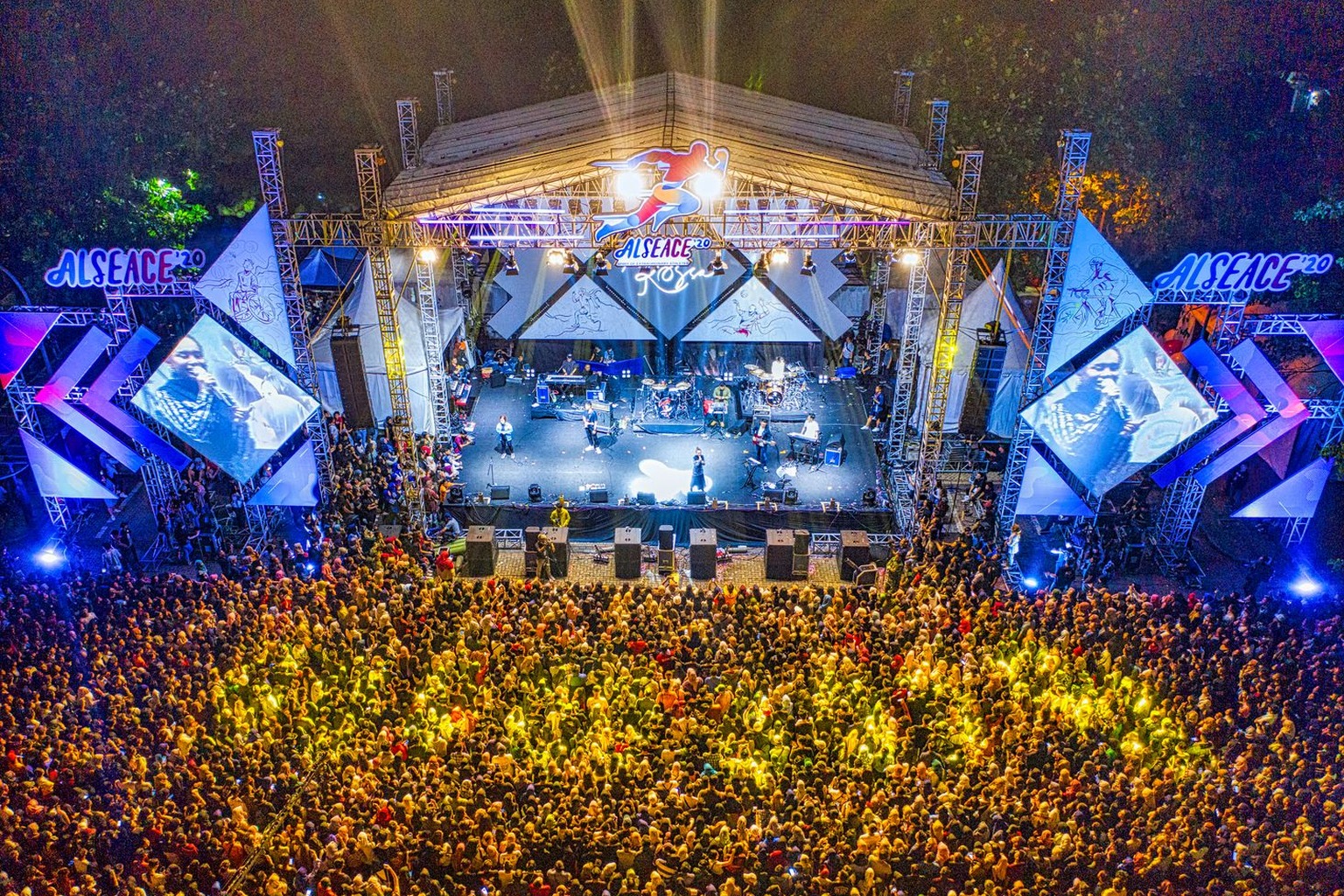
Human beings are wired to seek novelty, and festivals deliver this in spades by offering experiences that can’t be replicated at home. This is why attendees flock to events like fireworks displays, live music, or interactive workshops, they’re not just consuming entertainment; they’re participating in something unique. Research on group activities shows that shared experiences, especially those involving physical movement or creativity, enhance social bonds more than passive activities. For example, a dance-off or a collaborative mural project at a festival creates memories that attendees will talk about long after the event ends. Organizers should prioritize activities that encourage participation over observation, ensuring that every attendee has a role to play. This could mean hands-on workshops, themed photo ops, or even simple challenges like a pie-eating contest that sparks friendly competition.
On Psychette, they explain the motivations behind people’s behavior towards festivals – you can watch it right here.
Another way to harness the power of novelty is through themed festivals that offer a change of scenery. For instance, a “boho market” or a “steampunk expo” can attract attendees who are drawn to the aesthetic and atmosphere of the event. The key is to balance novelty with familiarity, introducing new elements while keeping the core experience recognizable. This could involve inviting out-of-town performers or artists while maintaining local traditions. When attendees feel they’re experiencing something fresh yet still connected to their community, they’re more likely to attend year after year. The goal isn’t to reinvent the festival entirely but to evolve it in ways that keep it exciting and relevant to a changing audience.
Shared experiences also thrive when they’re tied to a sense of urgency or exclusivity. Limited-time offers, like a “first-night” discount or a VIP preview, can create a sense of FOMO (fear of missing out) that drives attendance. For example, a festival might offer early-bird tickets for a special performance or a behind-the-scenes tour of the venue. This strategy works because it taps into the human tendency to value things that are scarce or time-sensitive. Organizers can also create exclusivity through partnerships, such as offering attendees a chance to meet local celebrities or artists in a private setting. These touches make the festival feel more special and worth the investment of time and money.
The Influence of Emotional Well-Being and Stress Relief
Beyond social connection and cultural identity, people attend local festivals because they offer a much-needed escape from daily stress. Studies on mental health and community events show that attending live music or outdoor gatherings can reduce cortisol levels, the hormone associated with stress, and boost mood-enhancing neurotransmitters like dopamine and serotonin. This is why festivals often serve as a form of “therapy” for attendees, providing a temporary respite from work, family, or financial pressures. For organizers, this means designing festivals with relaxation in mind, offering shaded areas, quiet zones, or even mindfulness stations where attendees can recharge. When people feel the event is as much about their well-being as entertainment, they’re more likely to attend and recommend it to others.
Another emotional driver is the “flow state,” a psychological concept described by psychologist Mihaly Csikszentmihalyi, where people become fully immersed in an activity to the point of losing track of time. Festivals naturally create this state through activities like dancing, crafting, or even watching a captivating performance. To encourage flow, organizers should structure the event with a mix of high-energy and low-key activities, allowing attendees to choose what suits their mood. For example, a festival might offer a morning yoga session followed by an afternoon concert, catering to those who want both relaxation and excitement. This variety ensures that attendees can find their ideal balance, making the event more appealing to a wider audience.
Emotional well-being is also tied to the “social healing” effects of festivals, where shared joy and laughter can counteract feelings of isolation or loneliness. Research on group activities shows that collective happiness, like cheering at a parade or singing along to a favorite song, releases endorphins, which act as natural painkillers and mood lifters. Organizers can amplify this effect by incorporating elements that encourage collective participation, such as group sing-alongs, flash mobs, or even themed costumes that attendees can join in. The more people feel they’re part of something bigger than themselves, the more they’ll value the experience and return for future events. This emotional payoff is a powerful motivator for attendance, especially in communities where social isolation is a growing concern.
Practical Strategies to Boost Festival Attendance
Now that we’ve explored the psychology behind why people attend local festivals, it’s time to translate that understanding into actionable strategies for organizers. One of the most effective ways to boost attendance is through “social proof,” where people are more likely to attend if they see others doing the same. This can be achieved through targeted marketing that highlights the festival’s popularity, such as testimonials from past attendees or social media posts showing large crowds. For example, a festival website might feature quotes like, “I’ve been every year since 2010, it’s the highlight of my summer!” to create a sense of urgency and belonging. Additionally, partnering with local influencers or community leaders to promote the event can amplify this effect, as their endorsement signals that the festival is worth attending.
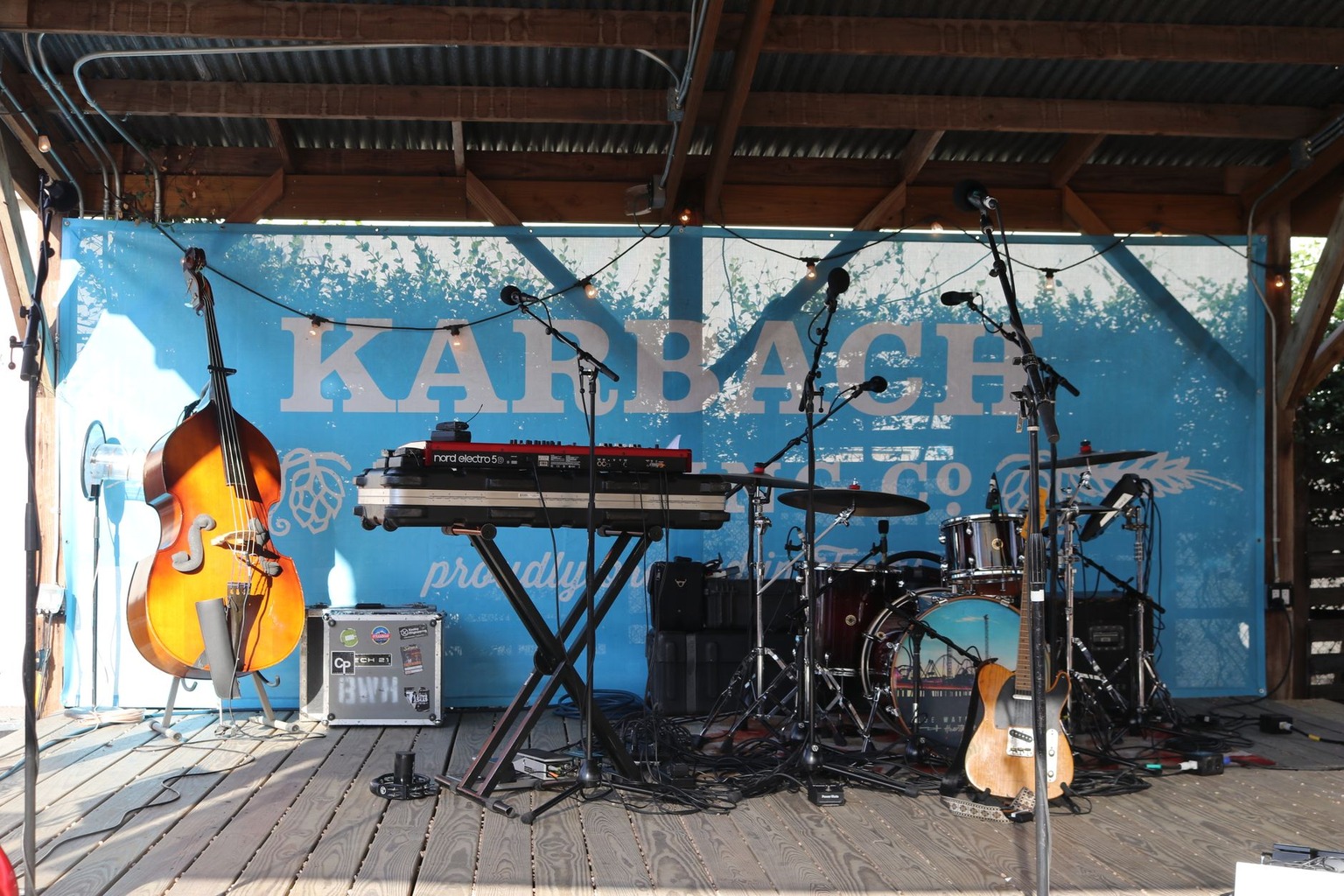
Another practical strategy is to create “anchor events” that draw crowds year after year. These are the signature attractions, like a world-class fireworks display or a performance by a renowned artist, that give the festival its identity. Research on event marketing shows that people are more likely to attend if they know the event offers something unique and memorable. For instance, a county fair might feature a “farmers’ market showdown,” where local producers compete for prizes, creating a high-stakes event that attendees can’t miss. By investing in these anchor experiences, organizers can build anticipation and ensure that the festival remains a must-attend destination. The key is to balance these high-profile attractions with a variety of smaller activities that cater to different interests, ensuring that every attendee finds something to enjoy.
Finally, organizers should leverage data and feedback to refine their approach. Surveys and attendance analytics can reveal which activities are most popular and which demographics are underrepresented. For example, if data shows that younger attendees are less likely to participate, organizers might introduce more interactive or digital elements, such as live-streaming options or social media challenges tied to the festival. Similarly, if older attendees prefer quieter activities, creating designated “family-friendly” zones can make the event more inclusive. By continuously gathering and analyzing feedback, organizers can make data-driven decisions that enhance the festival’s appeal and ensure it grows with its community. This iterative approach not only boosts attendance but also fosters a sense of collaboration between organizers and attendees, strengthening the festival’s role as a cornerstone of community life.
I love exploring how communities come together and sharing stories about local events. I enjoy writing about the cultural trends that shape our social fabric and helping readers discover new experiences.