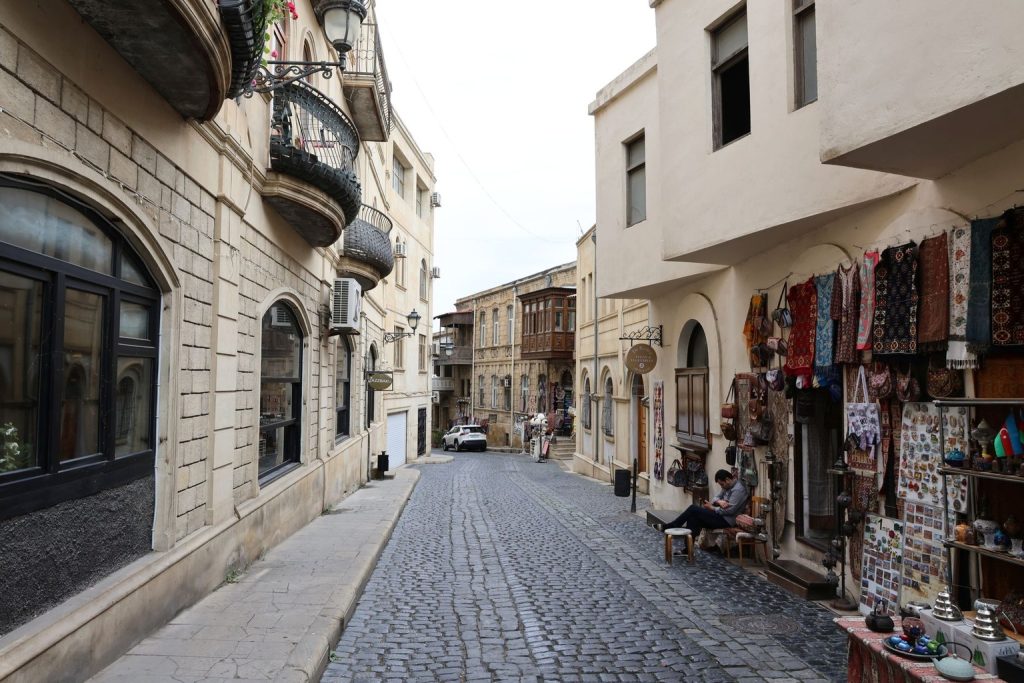
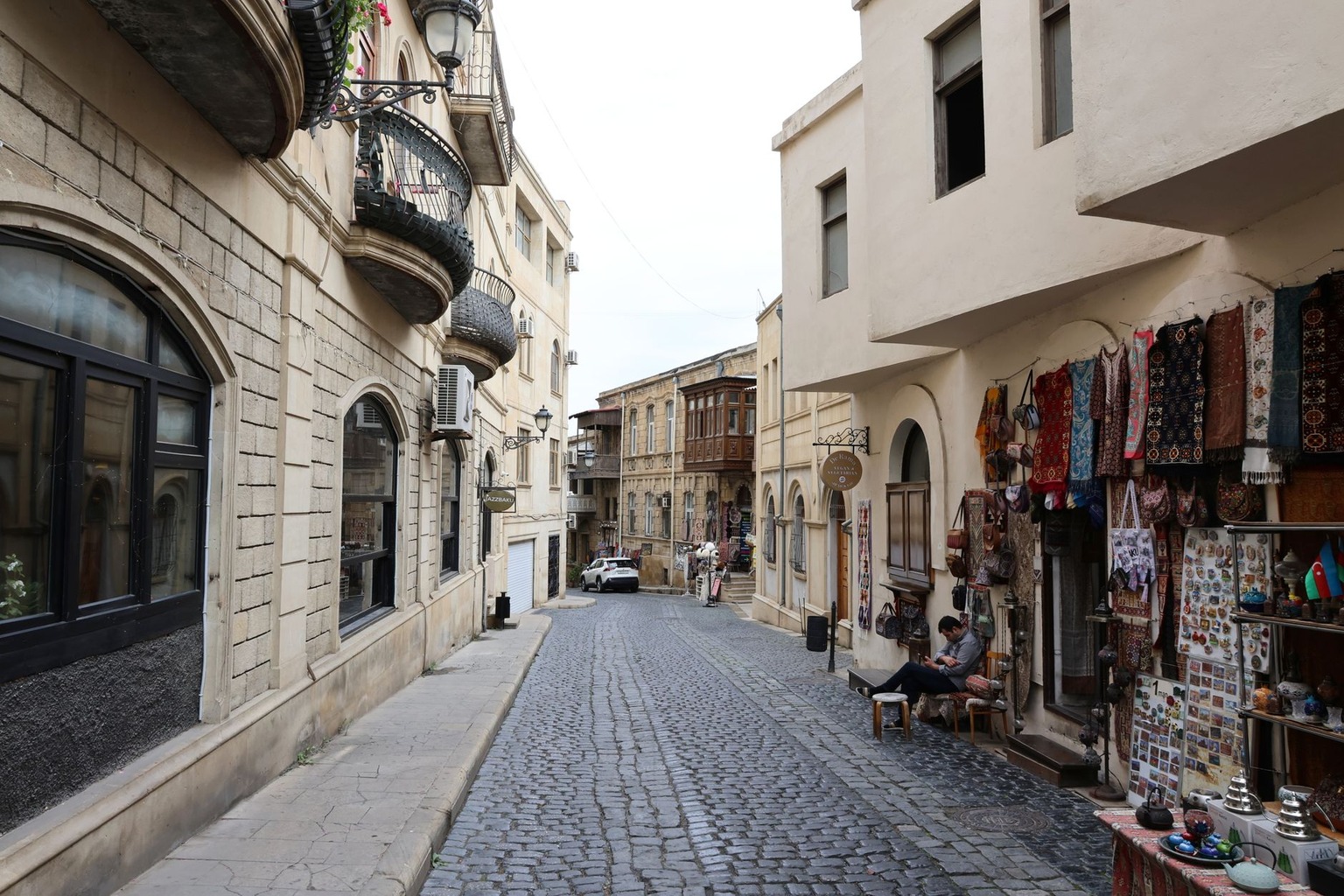
In 2026, the quiet transformation of small towns through small town micro-events growth is no longer a fleeting trend but a proven strategy for community vitality. Pop-up markets, farmers’ fairs, and neighborhood gatherings aren’t just filling empty storefronts, they’re rewriting the social and economic fabric of places like Holland, Indiana, where local engagement once felt like a relic of the past. These events aren’t just about selling goods; they’re about rebuilding trust, attracting young families, and proving that small towns can compete with urban centers by leveraging what they do best: intimacy and authenticity. The shift toward micro-events reflects a broader realization that big, one-off festivals can’t sustain long-term growth. Instead, communities are turning to smaller, frequent gatherings that foster deeper connections and adapt to changing lifestyles. The key lies in understanding which types of events work best, how to structure them for maximum impact, and how to avoid common pitfalls that turn potential into disappointment. Below, we’ll break down the dimensions where micro-events succeed, or fail, so towns can tailor their approaches with precision.
How Micro-Events Differ from Traditional Festivals in Community Engagement
Traditional festivals often rely on spectacle, big crowds, professional performers, and splashy decorations, to draw visitors. While these events can generate buzz, they also come with high costs and logistical hurdles that small towns struggle to maintain year after year. Micro-events, by contrast, prioritize accessibility and local participation. A pop-up market in a downtown square, for example, might feature only three vendors, but those vendors are likely to be neighbors, artisans, or farmers whose products resonate with the community’s tastes. The difference in engagement is stark. A study from the National Main Street Center found that small-scale events with a focus on local producers saw a 40% higher return rate for attendees compared to larger festivals. This isn’t just about foot traffic; it’s about building relationships. When residents see their neighbors thriving in these spaces, they’re more likely to show up, stay longer, and even volunteer to organize future gatherings. The trick is to avoid the “one-and-done” mentality, micro-events work best when they’re part of a recurring calendar, like monthly farmers’ markets or quarterly craft fairs, rather than isolated one-offs.
Another critical distinction is the role of technology. While big festivals often rely on social media blitzes to attract crowds, micro-events leverage hyper-local networks. Towns like Holland have seen success by partnering with community groups to share event details through WhatsApp groups or Nextdoor, ensuring that word spreads organically among residents who are already invested in the town’s future. This approach cuts through the noise of generic marketing and taps into the trust built through daily interactions. The result? Events that feel personal, not promotional.
The downside of this strategy is that it demands consistency. If a micro-event is announced but fails to deliver, whether due to poor weather, weak vendor participation, or unclear messaging, the community’s trust can erode quickly. Unlike a festival that might draw outsiders who won’t return, micro-events rely on repeat visitors. That’s why planning for reliability, from backup vendors to flexible schedules, is just as important as planning for attendance.
When to Choose Micro-Events Over Large-Scale Gatherings
Not all small towns are built for big events. Some lack the infrastructure, funding, or volunteer base to host a county fair or holiday parade without burning out. In those cases, micro-events offer a smarter alternative. For instance, a town with a struggling downtown might prioritize a weekly “First Friday” market over a one-time holiday celebration. The market creates a rhythm of activity that encourages businesses to stay open later, draws regulars who become loyal customers, and even spills into adjacent neighborhoods, boosting foot traffic for local shops. The decision often comes down to goals. If the priority is economic revitalization, micro-events like pop-up markets or skill-sharing workshops tend to outperform large festivals in generating sustainable revenue. A 2025 report from the Brookings Institution noted that small businesses in towns with frequent micro-events saw a 22% increase in annual sales compared to those without such programming. The reason? Micro-events create a feedback loop: more visitors mean more sales, which encourages more vendors to participate, which in turn attracts even more visitors. It’s a self-reinforcing cycle that large events rarely achieve.
On the other hand, large-scale events can still play a role, just not as the sole strategy. Towns that combine both approaches often see the best results. For example, Holland might host an annual “Small Town Festival” to draw regional visitors but use micro-events like monthly farmers’ markets to keep the momentum going year-round. The key is to let the micro-events handle the day-to-day engagement while saving the big events for moments that require broader appeal, like holidays or major community milestones. This balance ensures that the town remains vibrant without overcommitting resources to any single initiative.
The challenge is avoiding the “all-or-nothing” trap. Some communities fall into the habit of canceling micro-events to fund a larger festival, only to find that the festival’s success doesn’t translate into long-term growth. Micro-events, when done consistently, build the foundation that makes big events possible. Without them, even a well-attended festival can feel like a one-night stand rather than a lasting relationship.
How to Structure Micro-Events for Maximum Local Impact
The structure of a micro-event can make or break its success. The best ones aren’t just about selling products or showcasing talents, they’re designed to create a sense of belonging. Take the example of a “Neighborhood Potluck & Swap” event, where residents bring homemade goods to trade or share. These gatherings don’t require professional organizers or large budgets; they thrive on the energy of participation. In towns where social isolation is a growing concern, events like these fill a critical gap by fostering connections that extend beyond the event itself. A well-structured micro-event also considers the practical needs of attendees. For instance, a pop-up market that includes free parking, accessible seating, and clear signage for vendors and visitors ensures that the event isn’t just enjoyable but also convenient. In contrast, a poorly organized market might frustrate participants with long lines, confusing layouts, or limited amenities, leading them to skip future gatherings. The details matter because they signal to the community that their time and effort are valued. Small towns that invest in thoughtful logistics, like partnering with local businesses to provide shade or water stations, create events that feel like an extension of the town’s care for its people.
On the monica razak channel, they cover unique vendor booth display ideas to boost sales, and you can watch it right here.
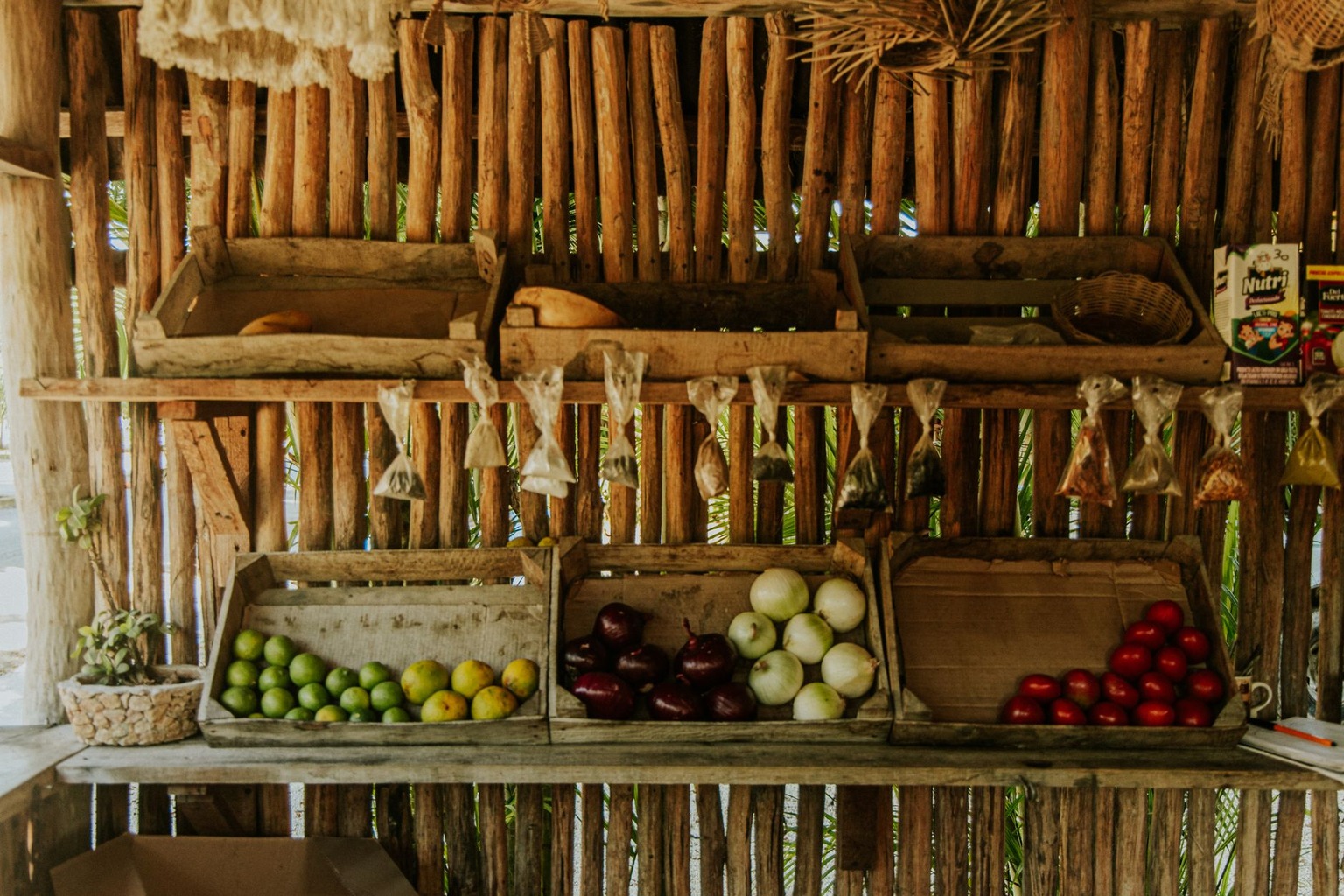
Another structural consideration is the role of storytelling. Micro-events succeed when they give participants a reason to care beyond the transactional. A market that features local historians sharing tales of the town’s past, or a workshop where residents learn traditional crafts, adds layers of meaning that turn attendance into an experience. These elements make the event memorable and encourage repeat visits. The contrast with large festivals, which often prioritize entertainment over engagement, is clear: micro-events are about creating shared narratives that strengthen community identity.
The risk here is overcomplicating the event. While storytelling and amenities enhance the experience, they shouldn’t overshadow the core purpose of the gathering. If a micro-event becomes more about aesthetics or spectacle than connection, it loses its power. The best approach is to start small, focus on a clear, achievable goal, like bringing together 50 regulars for a shared meal, and build from there. Over time, the event’s reputation will attract more participants naturally.
Vendors and Participants: Who Thrives in Micro-Events?
The success of a micro-event hinges on the people who show up, and who don’t. Vendors and participants in these gatherings are often a mix of lifelong residents, newcomers, and even remote workers who’ve chosen small towns for their lifestyle. For small businesses, micro-events are a lifeline. A local bakery in Holland might sell out of its entire inventory at a weekly market, whereas a holiday festival would only clear a fraction of its stock. The recurring nature of micro-events provides steady income, allowing small producers to plan their operations around consistent demand rather than unpredictable spikes. Not all vendors are equally suited to micro-events, though. Artisans and farmers tend to thrive because their products benefit from the personal touch and local appeal of these gatherings. In contrast, big-box retailers or mass-produced goods often struggle to stand out in a setting where authenticity is the draw. The best micro-events curate their vendors carefully, ensuring that each participant adds something unique to the experience. This selectivity keeps the event fresh and prevents it from becoming a generic marketplace. For example, a market that features a mix of handmade jewelry, locally sourced honey, and homemade preserves will attract a broader audience than one that only sells generic crafts.
Participants, too, bring different energies to the table. Some show up for the social aspect, others for the shopping, and a few for the learning opportunities, like workshops on gardening or woodworking. The diversity of motivations means that micro-events can appeal to a wider range of residents than a single-purpose festival. However, this diversity also requires careful management. If an event becomes too crowded or chaotic, it risks alienating the very people it’s trying to attract. The best hosts strike a balance, keeping the space lively but not overwhelming, the atmosphere friendly but not cluttered.
The downside is that micro-events can sometimes attract the same small group of regulars, leaving newcomers feeling unwelcome. To combat this, organizers can introduce “first-timer” incentives, like free samples or discounts, or even dedicated hours for new visitors. The goal is to ensure that the event grows organically, with each gathering drawing a fresh slice of the community. When done right, micro-events become a magnet for the town’s hidden talents and untapped potential.
Funding and Sustainability: How Small Towns Pay for Micro-Events
One of the biggest misconceptions about micro-events is that they require significant funding. In reality, the most successful ones are often low-cost or even self-sustaining. Many towns cover basic expenses, like permits, signage, or a small honorarium for organizers, through local grants, sponsorships from businesses, or volunteer labor. For example, a pop-up market might be funded by a $500 grant from the town’s economic development office, supplemented by in-kind donations from a local café that provides coffee for vendors. The key is to align funding with the event’s scale. A town shouldn’t spend $10,000 on a micro-event when $1,000 could achieve the same goals with less risk.

Sustainability goes beyond initial funding, though. The best micro-events generate revenue that can be reinvested into future gatherings. Vendors often pay small fees to participate, and attendees might purchase items or donate to cover costs. In some cases, towns have created micro-event “funds” where a portion of vendor sales goes into a pool for future events. This model ensures that the community, not external donors, controls the event’s evolution. It also builds ownership among participants, who see their contributions directly supporting the activities they care about.
The challenge is avoiding dependency on a single funding source. If a micro-event relies heavily on a single sponsor or grant, its future becomes precarious if that source disappears. Diversifying revenue, through vendor fees, donations, or partnerships with local businesses, creates a buffer against instability. For instance, a town might negotiate a deal where a grocery store donates a percentage of its sales from a market day to the event’s budget. This approach turns everyday commerce into a tool for community building.
Ultimately, the most sustainable micro-events are those that feel like a natural part of the town’s rhythm. When funding is seen as a means to an end rather than an end in itself, the events become more about connection than about budgets. The towns that succeed are those that treat micro-events as an investment in their future, not just a short-term fix.
Measuring Success: What Metrics Matter Most for Micro-Events
Unlike large festivals, which are often judged by attendance numbers alone, micro-events require a more nuanced approach to measuring success. While foot traffic is important, the real value lies in the relationships formed and the economic activity generated. For example, a micro-event that draws 50 regulars who spend $20 each might have a smaller crowd than a festival with 500 attendees, but its impact on local businesses is far greater. The key metrics to track include vendor sales, repeat attendance rates, and the number of new participants each gathering brings in. These numbers tell a story about whether the event is building a loyal community or just filling a space.
Another critical metric is engagement beyond the event itself. Are attendees talking about the gathering in their daily lives? Are they volunteering to help organize future events? Are local businesses seeing an uptick in customers after a micro-event? These signs of organic growth indicate that the event is more than a one-day spectacle, it’s a catalyst for ongoing community activity. Tools like surveys or simple feedback cards can help organizers gauge this intangible but vital impact. For instance, a question like “What did you enjoy most about this event?” can reveal whether the gathering is meeting its intended purpose.
The risk of overemphasizing attendance is that it can lead to superficial success. An event with 200 people but no repeat visitors isn’t truly revitalizing a community. The best micro-events create a feedback loop where each gathering attracts more participants, strengthens local relationships, and generates tangible benefits for the town. Metrics like vendor retention rates or the number of new businesses that pop up as a result of the event’s exposure provide a clearer picture of long-term success. In the end, the goal isn’t just to fill a space, it’s to build a community that keeps coming back.

I love exploring how communities come together and sharing stories about local events. I enjoy writing about the cultural trends that shape our social fabric and helping readers discover new experiences.