Overview of Holland Indiana Native Tree Projects
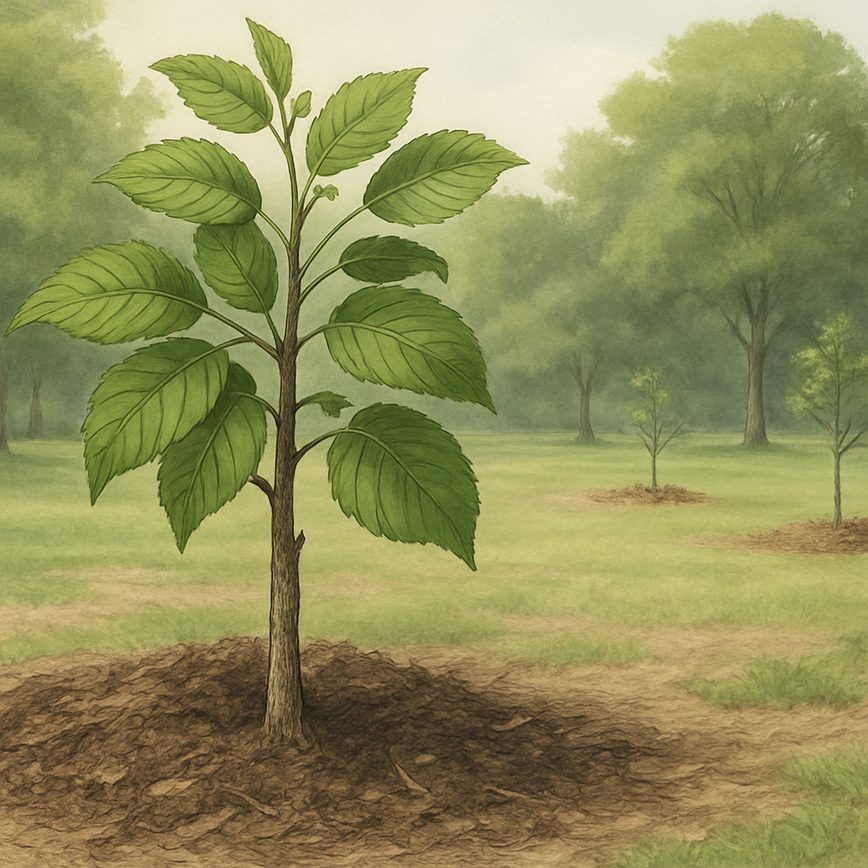
Holland, Indiana is actively engaged in native tree planting and conservation efforts designed to enhance the local environment while fostering community involvement and stewardship. These tree projects focus on reintroducing and preserving native tree species that are well-adapted to the area’s climate and soil conditions, ensuring their longevity and ecological benefits. By prioritizing native trees, these initiatives support local wildlife habitats, improve air quality, and contribute to the natural beauty and sustainability of Holland’s landscapes.
The purpose of these native tree projects goes beyond just planting trees; they represent a community-driven movement to safeguard the region’s biodiversity and create green spaces that serve as vital ecosystems. Local organizations, environmental groups, and volunteers collaborate closely to identify suitable planting sites, nurture young trees, and promote educational programs about the importance of native flora. This collective effort fosters a deeper connection between residents and the environment, encouraging ongoing care and appreciation for the natural world.
Community impact is a central theme of Holland Indiana’s tree initiatives. These projects provide opportunities for residents of all ages to participate in hands-on conservation activities, strengthening community bonds and raising awareness about environmental challenges and solutions. Schools, civic groups, and families often join in tree planting events, turning the efforts into celebrations of nature and community pride. The resulting green spaces not only improve the aesthetic and ecological health of Holland but also offer recreational areas where people can enjoy outdoor activities amidst native trees.
Ultimately, the native tree projects in Holland, Indiana serve as a model for sustainable local environmental management. They demonstrate how targeted conservation efforts, grounded in native species restoration, can produce meaningful benefits for ecosystems, wildlife, and people. Through these initiatives, Holland is nurturing a greener future, showing that small, community-focused actions can have a lasting positive impact on the environment.
Importance of Native Trees in Holland Indiana
Native trees play a crucial role in maintaining the health and balance of Holland Indiana’s ecosystem. The native trees importance is deeply rooted in their ability to support local flora and fauna by providing essential habitats and food sources. Unlike non-native species, these trees have adapted over centuries to the specific climate and soil conditions of the area, making them more resilient and better suited to thrive naturally.
The environmental benefits of native trees extend beyond just their immediate surroundings. They contribute significantly to improving air quality, conserving water, and preventing soil erosion, which helps sustain the local environment. Additionally, native trees help sequester carbon dioxide, playing a vital role in combating climate change by reducing greenhouse gases in the atmosphere.
Furthermore, these trees support local wildlife by offering shelter and nourishment to a variety of birds, insects, and mammals unique to Holland Indiana. The interdependence between native trees and animal species enhances biodiversity and strengthens the ecosystem’s resilience against pests and diseases. Emphasizing the planting and preservation of native trees is essential for conserving Holland Indiana’s natural heritage and ensuring the long-term vitality of its environment.
Communities and Organizations Involved
Several dedicated local organizations and tree planting groups play a crucial role in promoting and maintaining native tree projects in Holland, Indiana. These community projects are often spearheaded by nonprofits focused on environmental stewardship and urban beautification. Groups such as the Holland Tree Alliance and the Friends of the Environment work tirelessly to organize planting events, educate residents, and ensure the long-term care of planted trees. Their collaborative efforts with local government bodies foster a supportive environment for sustainable growth and ecological preservation.
Community projects frequently draw volunteers from neighborhood associations, schools, and environmental clubs, enhancing grassroots participation and awareness. These local organizations serve as bridges between residents and larger environmental networks, enabling resources and expertise to flow effectively. By engaging diverse groups, including youth programs and senior centers, the projects nurture a broad sense of ownership and responsibility for Holland’s natural landscape.
Overall, the success of native tree initiatives hinges on the strong partnerships among tree planting groups, nonprofits, and engaged citizens. Their shared commitment enriches the community, promotes biodiversity, and creates green spaces that benefit both people and wildlife alike. Through these collective efforts, Holland continues to grow its legacy as a city that values and protects its native trees for future generations.
Popular Native Tree Species for Planting
When undertaking tree planting projects in Holland Indiana, selecting the right native tree species is essential for supporting local ecosystems and ensuring long-term growth success. Native trees are well-adapted to the local climate, soil, and wildlife, making them a sustainable choice for landscaping and conservation efforts. Below is a list of some of the most popular native tree species commonly used in Holland Indiana’s tree projects, highlighting their characteristics and planting benefits.
- Red Maple (Acer rubrum): Known for its stunning red foliage in the fall, the red maple is a fast-growing tree that thrives in a variety of soils found in Holland Indiana. It provides excellent shade and supports native wildlife such as birds and butterflies. Red maples are popular for tree planting because of their adaptability and vibrant seasonal color.
- White Oak (Quercus alba): The majestic white oak is prized for its longevity and strength. It can grow to impressive heights and supports a wide range of wildlife, including many species of birds and insects. White oak’s deep root system helps prevent soil erosion, making it beneficial for watershed protection and outdoor spaces.
- Eastern Redbud (Cercis canadensis): This smaller native tree is celebrated for its beautiful pink blossoms in early spring. Eastern redbud thrives in partial shade and well-drained soils typical of Holland Indiana environments. It is often used in residential landscapes for its ornamental value and its ability to attract pollinators such as bees and butterflies.
- Sugar Maple (Acer saccharum): Famous for its brilliant fall colors, sugar maple is a favorite in tree planting projects. It prefers well-drained, fertile soils and offers excellent shade. Besides aesthetic appeal, the sugar maple is an important tree for local ecosystems, providing habitat and food for various wildlife species.
- Black Cherry (Prunus serotina): Renowned for its beautiful white spring flowers and dark fruit, black cherry trees support many birds that rely on the fruit as a food source. This tree grows well in a variety of soil types and helps increase biodiversity in Holland Indiana’s green spaces.
Choosing these popular native tree species for planting not only enhances the natural beauty of Holland Indiana trees but also reinforces ecological health. These trees offer benefits such as erosion control, wildlife habitat, shade, and seasonal color, making them ideal for community and private planting projects. Prioritizing native species ensures that the local environment thrives sustainably for generations to come.
Oak and Maple Varieties
Native oak trees are a cornerstone of Holland, Indiana’s local ecosystem. Varieties such as the white oak, red oak, and bur oak not only provide sturdy shade but also serve as vital habitats for numerous wildlife species. These oak trees are known for their longevity and strong wood, making them excellent choices for sustainable local tree projects. Their deep root systems help prevent soil erosion and improve soil quality, supporting the overall health of the environment.
Maple trees, including sugar maple and red maple, are another key group of native species valued for their beautiful fall foliage and ecological contributions. These maples support pollinators and bird species by providing nectar and shelter throughout the seasons. Their adaptability to various soil types and moderate moisture requirements make them highly suitable for urban and rural planting projects across Holland.
Incorporating native oak and maple trees into local projects enhances biodiversity and strengthens ecosystem resilience. Both tree groups play critical roles in carbon sequestration and oxygen production. Their presence improves air quality and offers aesthetic and recreational benefits for the community. Choosing these native species ensures that tree planting efforts align with natural growth patterns and environmental needs, fostering long-term sustainability and ecological balance in Holland, Indiana.
Additional Native Species Suited for Holland
In addition to the commonly planted trees, several other native species are well-suited for enhancing biodiversity and supporting the goals of tree projects in Holland, Indiana. Notably, serviceberry and dogwood are two valuable native shrubs that enrich the local ecosystem. Serviceberry, with its delicate white flowers in spring and bright edible berries in summer, provides essential food sources for native birds and pollinators. Its adaptability to various soil types and resistance to pests make it an excellent choice for diverse planting projects.
Dogwoods, especially the flowering dogwood, bring both aesthetic beauty and ecological benefits. Their striking blossoms attract pollinators, while the bright red berries serve as nourishment for birds during the colder months. Including native shrubs like serviceberry and dogwood in tree projects offers layered vegetation that supports a wider variety of wildlife, thereby increasing biodiversity.
Integrating these native shrubs alongside trees cultivates a more robust ecosystem. Native shrubs not only fill vital ecological niches but also improve soil health and provide shelter for small mammals and insects. Their presence enhances the overall resilience and sustainability of community tree initiatives, aligning closely with the aim of fostering natural habitats within Holland.
By choosing native species such as serviceberry and dogwood, tree projects contribute significantly to the preservation of local flora and fauna. This thoughtful selection ensures that planting efforts do more than merely beautify—they actively support biodiversity and create greener, healthier spaces for future generations in Holland.
How to Participate in Native Tree Projects in Holland Indiana
Participating in native tree projects in Holland Indiana is a rewarding way to contribute to the environment and strengthen community bonds. Whether you have a few hours to volunteer or want to support through donations, there are multiple opportunities for community involvement that make a meaningful impact on local ecosystems.
One of the most direct ways to participate is by volunteering at tree planting events. These events are regularly organized by local environmental groups and the city’s parks department. Volunteers help plant native trees that improve air quality, provide wildlife habitats, and enhance green spaces in the community. No prior experience is necessary, and the events often include guidance and tools, making it easy and enjoyable for people of all ages to get involved.
Another way to support native tree projects is through donations. Contributions help fund the purchase of native seedlings, planting supplies, education programs, and long-term care for the trees. Many organizations offer options for one-time or recurring donations, allowing you to support community efforts even if your schedule does not permit hands-on volunteer work. Donating is a vital way to ensure these projects can continue to thrive and expand.
Attending local events related to native tree initiatives is also a great form of participation. These gatherings provide educational workshops, guided nature walks, and community meetings where residents can learn about the importance of native trees, ask questions, and share ideas. Being part of these events fosters a sense of community involvement and connects you with like-minded neighbors who share a passion for environmental stewardship.
To stay informed about upcoming tree planting events, volunteer opportunities, and ways to contribute, consider subscribing to newsletters or following local environmental groups on social media. Engaging in native tree projects not only helps sustain Holland Indiana’s natural heritage but also offers a fulfilling way to give back to the community and enjoy the outdoors.
Volunteer Programs and Opportunities
Holland Indiana offers a variety of volunteer programs designed to engage community members in preserving and enhancing the local environment through native tree planting activities. These programs provide excellent opportunities for individuals, families, and groups to contribute meaningfully to the community’s green spaces while fulfilling community service commitments.
Tree planting volunteers play a vital role in these programs by assisting with the preparation of planting sites, planting native tree species, watering and caring for young trees, and participating in seasonal maintenance events. Volunteers receive guidance and training from experienced coordinators to ensure that each tree is planted correctly and has the best chance to thrive.
Responsibilities for volunteers may also include educating the public about the benefits of native trees and supporting community outreach efforts to expand participation. By engaging in these programs, volunteers not only help improve local biodiversity but also foster a deeper connection with nature and their community.
Signing up for native tree planting volunteer programs is easy and accessible to all interested individuals. Visit the Holland Indiana environmental organization’s website or contact their volunteer coordinator directly via email or phone to register. Regular updates and schedules for upcoming planting events are provided, allowing volunteers to choose times that best fit their availability.
Supporting Tree Projects Through Donations
Financial contributions play a vital role in supporting native tree projects in Holland, Indiana. Donations provide the necessary resources to acquire seedlings, tools, and equipment, enabling volunteers and organizations to plant and maintain trees effectively. Additionally, fundraising efforts help cover the costs of educational programs that raise awareness about the importance of native trees in the local ecosystem.
Community funding through donations ensures the sustainability and growth of tree projects, allowing for expanded planting areas and the hiring of expert staff to oversee project implementation. Local residents can make a direct impact by contributing money online, attending fundraising events, or organizing their own campaigns to support these initiatives. Many organizations offer easy-to-use platforms where donors can give one-time or recurring support to native tree conservation efforts.
Fundraising activities such as charity runs, auctions, and tree-planting days encourage community involvement and generate funds to extend the reach of native tree projects. Collaborating with local businesses to sponsor tree initiatives is another effective way to raise support. By combining financial donations with volunteer efforts, the community can ensure a greener, healthier landscape for future generations.

I love exploring how communities come together and sharing stories about local events. I enjoy writing about the cultural trends that shape our social fabric and helping readers discover new experiences.