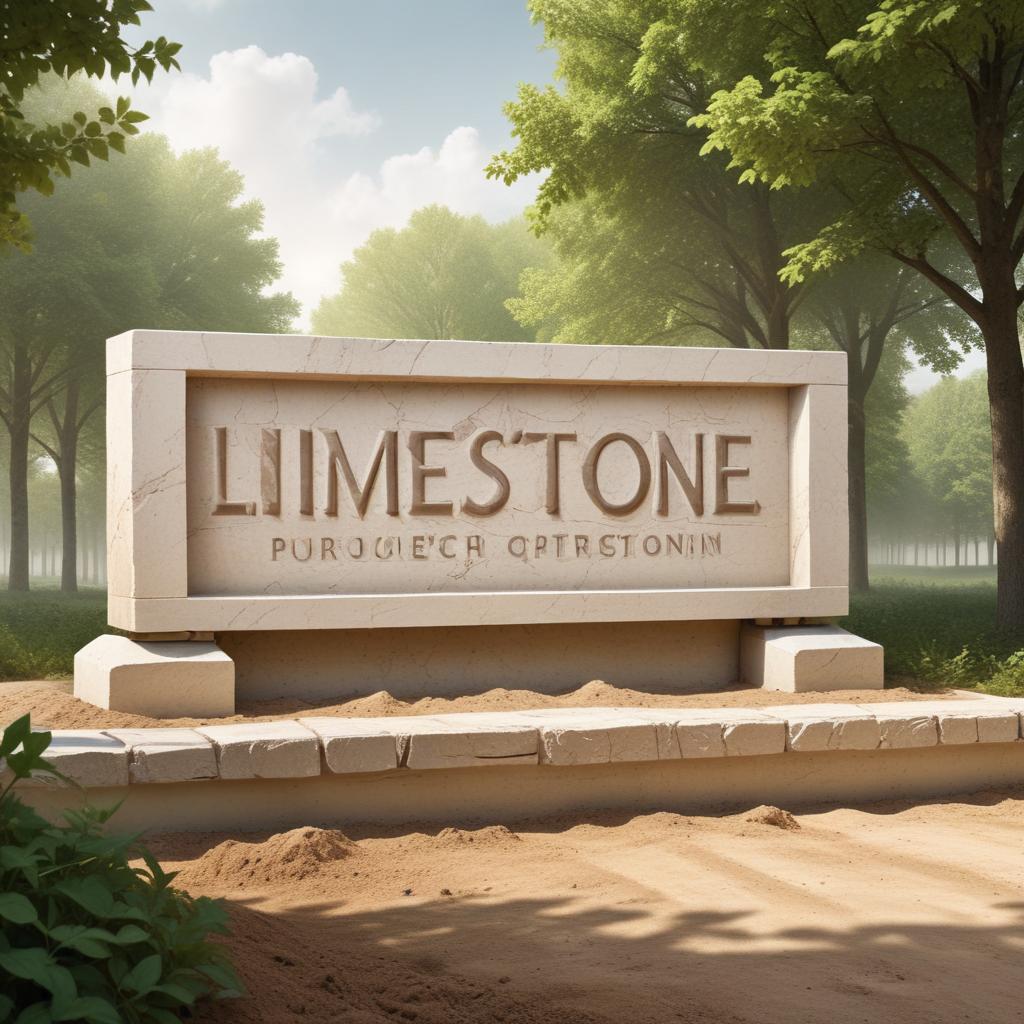
Overview of the Holland Indiana Limestone Sign Project
The Holland Indiana limestone sign project represents a meaningful initiative to celebrate and showcase the natural beauty and historical significance of Indiana limestone, a material renowned for its durability and aesthetic appeal. This project focuses on creating striking limestone signage that not only serves practical purposes but also enhances the cultural and architectural landscape of the Holland community.
Indiana limestone has long been valued in construction and design for its fine grain and uniform texture, making it an ideal choice for signs that require both longevity and visual impact. The Holland Indiana limestone sign project highlights this unique material by incorporating it into custom-designed signage that reflects the heritage and identity of the area. Such limestone signage stands as a testament to the region’s rich geological resources and craftsmanship traditions.
This sign project overview underscores the importance of using high-quality materials like Holland Indiana limestone in public signage to foster a sense of place and pride. By leveraging the natural characteristics of limestone, the project delivers signage solutions that are not only aesthetically pleasing but also sustainable and resistant to weather and time. The project’s dedication to quality and authenticity aims to set a standard for limestone signage in the region.
Moreover, the Holland Indiana limestone sign project embodies a commitment to preserving local heritage and promoting community identity through architectural elements. The signage created from this project serves as entry points, landmarks, and informational guides, each crafted to harmonize with the surroundings while making a lasting impression. This initiative is an essential contribution to enhancing the visual and cultural fabric of Holland, Indiana.
Historical Context and Location
The project site for the Holland Indiana limestone sign is situated in a region with a rich historical context and significant geographical importance. Known for its abundant natural limestone resources, the area has a longstanding tradition of limestone quarrying that dates back to the 19th century. This history of limestone extraction and craftsmanship plays a vital role in the identity of the community and its architectural heritage.
The project’s location is carefully chosen to highlight the connection between the local limestone industry and community development. The site reflects the enduring legacy of limestone use in construction and public works throughout the region. By placing the sign in this historically significant area, the project pays homage to the centuries-old limestone history that shaped both the economy and culture of the locale.
Understanding the historical context of the project location is essential to appreciating the limestone sign’s symbolism. The stone itself, sourced from nearby quarries, embodies the durability and timelessness that has characterized the material’s use in regional architecture. The sign stands as a tribute to the perseverance and skill of past generations who contributed to the area’s limestone history, thereby anchoring the project in a place of profound heritage and natural beauty.
Importance of Indiana Limestone in Architecture
Indiana limestone has long been a favored building material in architecture due to its superior qualities and timeless appeal. Renowned for its durability, uniform texture, and natural beauty, Indiana limestone offers architects a versatile and reliable stone that stands the test of time. Its ability to withstand harsh weather conditions while maintaining its aesthetic integrity makes it an ideal choice for both structural and ornamental purposes.
The architectural importance of Indiana limestone extends beyond its physical properties. It carries historical significance in American architecture, often used in iconic buildings, monuments, and academic institutions across the country. This stone’s neutral tones and fine grain provide a classic look that complements a wide range of design styles, from traditional to modern.
In our Holland Indiana limestone sign project, the relevance of Indiana limestone is especially pronounced. The material not only ensures the sign’s longevity but also emphasizes the connection to the region’s rich geological and cultural heritage. Using Indiana limestone reinforces the architectural authenticity and adds a distinctive character that aligns with the project’s goals, making it a symbol of local craftsmanship and enduring quality.
Design and Construction Details
The design process of the Holland Indiana limestone sign involved a meticulous approach to ensure that every element reflected both aesthetic beauty and structural integrity. Emphasizing design details, the project began with detailed sketches and 3D renderings to visualize the sign’s final appearance in the context of its surroundings. The design team worked closely with architects and local stakeholders to blend modern design sensibilities with traditional limestone craftsmanship, which is a hallmark of Holland, Indiana’s architectural heritage.
Sign construction was executed using traditional techniques combined with modern innovations to enhance durability and precision. The limestone used was carefully selected for its uniform color and texture, ensuring consistency throughout the structure. Expert stonemasons then carved the stone blocks with precise tools, chiseling intricate details that highlight the craftsmanship inherent in the material. This process required skilled laborers who understood how to work with limestone to prevent cracking and ensure longevity.
Beyond carving, the sign construction included the use of substructures made from reinforced steel to support the heavy limestone components safely. These internal frameworks were concealed within the stone blocks, allowing the sign to maintain a clean and elegant appearance. Special attention was paid to the joinery techniques, using stainless steel anchors and adhesives formulated for stone to ensure that the limestone components were securely bonded together without visible fasteners.
The craftsmanship involved in the project extended to the finishing touches—sanding, polishing, and treating the limestone to protect it from weathering and staining. This not only preserved the natural beauty of the stone but also enhanced its texture and color depth. The entire design and construction process showcased a harmonious blend of aesthetic design details and durable sign construction methods, celebrating the art of limestone craftsmanship and creating a landmark that stands the test of time.
Material Selection and Quality
When it comes to the Holland Indiana limestone sign project, material selection plays a crucial role in the final outcome. Choosing the right limestone with superior limestone quality ensures the durability and aesthetic appeal of the sign. The selection process begins with assessing the stone sourcing to guarantee that the limestone is quarried from reputable locations known for producing premium-grade stone.
Key criteria for selecting limestone include its density, color consistency, and resistance to weathering. High-density limestone with minimal porosity is preferred because it withstands environmental elements better, reducing the risk of erosion and damage over time. Additionally, color uniformity is important to maintain a consistent look throughout the sign, as variation can detract from its visual appeal.
Stone sourcing is carefully managed by partnering with quarries that provide certified high-quality limestone. This ensures traceability and adherence to material standards. Each limestone batch undergoes rigorous inspection for flaws or weaknesses before being approved. This commitment to quality control is vital to prevent structural issues and uphold the sign’s longevity.
Ultimately, meticulous material selection and maintaining limestone quality through stringent stone sourcing protocols guarantee that the Holland Indiana limestone sign will be both beautiful and resilient, standing the test of time as a landmark feature.
Fabrication and Installation Process
The fabrication process of the Holland Indiana limestone sign is a meticulous blend of craftsmanship and precision techniques. Initially, high-quality limestone blocks are selected and carefully cut into the desired shapes using diamond-tipped saws. Skilled artisans then use chiseling tools to refine the edges and carve any intricate details or lettering, ensuring the sign captures its intended design with clarity and durability. Once the limestone components are shaped, they undergo a finishing stage, which may include sanding and sealing to enhance the stone’s natural beauty and protect it from weathering.
The installation steps are equally important to guarantee the longevity and aesthetic appeal of the limestone sign. It begins with site preparation, where the ground is leveled and a sturdy foundation is laid to support the heavy stone structure. Next, the limestone pieces are transported carefully to the site and assembled in the planned configuration. Using specialized lifting equipment, installers position each stone element precisely, ensuring proper alignment and stability. Anchor bolts or mortar may be used to secure the stones in place, depending on the design requirements. Finally, the installation site is cleaned and inspected for any adjustments, completing the limestone sign assembly.
- Select and cut high-quality limestone blocks to specified dimensions.
- Chisel and carve detailed designs and lettering into the stone.
- Sand and seal the limestone surfaces for protection and finish.
- Prepare the installation site by leveling ground and laying a solid foundation.
- Transport limestone components to the installation location carefully.
- Assemble and align the stones according to the design plan.
- Secure stones using anchor bolts or mortar as required.
- Clean and inspect the site to finalize the installation process.
Maintenance and Longevity of the Limestone Sign
Ensuring the long-lasting beauty and durability of a limestone sign requires diligent sign maintenance practices tailored specifically for this natural stone. Limestone, known for its elegance and strength, still demands protection and care to withstand the elements over time. Proper maintenance not only enhances limestone durability but also preserves the aesthetic appeal of your signage for years to come.
One of the foundational steps in protecting limestone signage is regular cleaning. Dirt, moss, algae, and pollutants can accumulate on the sign’s surface, causing discoloration and promoting surface wear. It is recommended to use gentle cleaning methods with a soft brush and a mild soap solution, avoiding harsh chemicals or high-pressure washing that can erode the stone’s surface. Rinsing with clean water after washing helps remove any residue that could contribute to damage.
Sealing the limestone sign is another crucial measure in sign maintenance. A high-quality, breathable sealant applied every few years acts as a barrier against moisture, pollutants, and stains. This treatment helps to repel water and prevent the absorption of contaminants that might otherwise compromise the limestone’s structural integrity and appearance. It is important to choose sealants specifically formulated for limestone to maintain its natural look without causing darkening or glossiness.
Monitoring the sign for signs of wear or damage is key to early intervention. Cracks, chips, or biological growth should be addressed promptly to avoid further deterioration. Periodic inspections allow for timely repairs that help maintain both the durability and the attractiveness of the limestone signage. Professional assessments can also be beneficial in identifying any hidden issues beneath the surface.
Placement also plays a significant role in protecting limestone signage. Installing the sign in locations sheltered from extreme weather conditions and direct water flow can reduce exposure to damaging elements. Additionally, trimming nearby vegetation prevents root intrusion and reduces the likelihood of staining from organic matter.
Ultimately, consistent and informed sign maintenance extends the lifespan and preserves the natural elegance of limestone signs. By adopting these protective practices, you ensure that your limestone signage remains a durable and attractive landmark for your community or business for many years.
Cleaning and Preservation Techniques
Cleaning limestone requires a careful approach to avoid damage and ensure long-lasting preservation. The first step is to use gentle cleaning methods, such as soft brushes and mild detergents that are specifically formulated for limestone care. Avoid harsh chemicals or acidic cleaners, as these can erode the stone’s surface and accelerate deterioration.
Regular maintenance is essential for effective preservation. Limestone should be inspected periodically to identify any dirt buildup, biological growth like algae or moss, and signs of weathering. When cleaning biological growth, a diluted biocide solution can be applied carefully to prevent damage to the stone while inhibiting regrowth.
Sealing the limestone is another key technique in preservation. Sealants create a protective barrier against water infiltration, stains, and pollutants that contribute to the stone’s gradual wear. It is important to choose sealers that are breathable, allowing moisture trapped within the limestone to escape, preventing internal damage.
Preservation also involves controlling environmental factors, such as reducing exposure to acidic rain and pollutants by installing protective covers or situating stone signs away from direct impact zones. Implementing these cleaning and preservation techniques will help maintain the limestone’s natural beauty and structural integrity over time, ensuring its durability and value for years to come.
Common Issues and Repairs
Limestone signs, while known for their durability and classic beauty, often face a variety of common limestone issues over time. Exposure to weather elements such as rain, wind, and temperature fluctuations can lead to surface erosion, causing the stone to lose its sharpness and detail. Additionally, limestone is susceptible to staining from environmental pollutants, biological growth like moss and algae, and salt crystallization, which may result in unsightly discoloration or surface scaling.
Repair techniques for limestone signs must be carefully chosen to preserve the stone’s natural appearance and structural integrity. Cleaning is typically the first step, involving gentle, non-abrasive methods like low-pressure water washing or specialized chemical cleaners designed for limestone. For more severe damage, restoration professionals may use lime-based mortars or compatible stone fillers to repair cracks, chips, or missing sections.
Limestone restoration often includes consolidating weakened areas to prevent further decay, applying protective sealants to make the surface more resistant to moisture and dirt, and sometimes conducting structural reinforcement for stability. Regular maintenance, including periodic cleaning and inspections, is essential for prolonging the life of limestone signs and addressing common limestone issues early. Proper repair techniques combined with expert restoration practices ensure these historic and aesthetic features remain a lasting tribute to their design and purpose.

I love exploring how communities come together and sharing stories about local events. I enjoy writing about the cultural trends that shape our social fabric and helping readers discover new experiences.