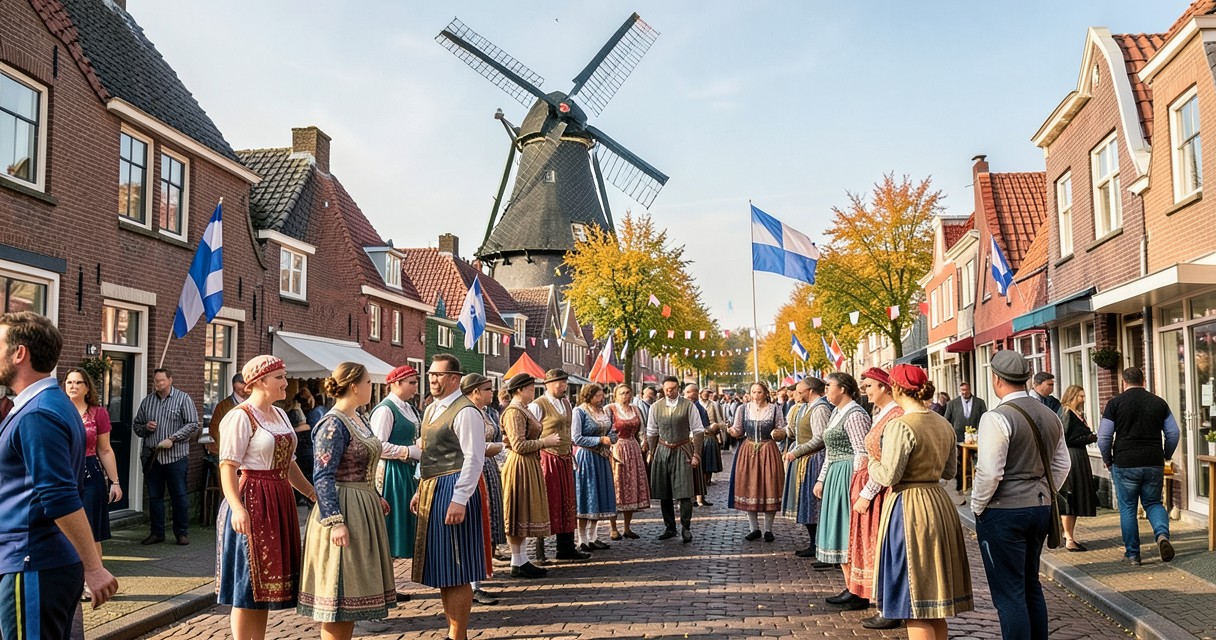
Holland, Indiana sits on the banks of the Wabash River and carries a legacy that stretches back to the early nineteenth century when a wave of Dutch immigrants settled in the region. Their influence can still be seen in the town’s architecture, language, and especially in the calendar of community events that celebrate that heritage. Residents and visitors alike gather each summer, fall, and winter to honor traditions that have been passed down through generations. The celebrations are more than a nod to the past; they act as a catalyst for civic pride, economic activity, and inter‑generational bonding. Understanding the layers of these events helps explain why Holland remains a vibrant hub for community life.
The Roots of Holland’s Dutch Identity
The town’s name was chosen in 1859 to reflect the Dutch origins of many of its founding families, who arrived seeking fertile farmland and religious freedom. Early settlers built modest brick homes that still line Main Street, each bearing subtle Dutch architectural cues such as stepped gables and decorative shutters. By the 1880s, the community had organized a church choir that sang hymns in both English and Dutch, reinforcing a bilingual atmosphere that persisted well into the twentieth century. Local archives, now housed in the Holland Historical Society, contain original land deeds, personal letters, and newspaper clippings that illustrate how the Dutch way of life became woven into the town’s fabric.
Preserving this heritage has been a collaborative effort among churches, schools, and civic groups that recognize the value of cultural continuity. The historical society hosts monthly lectures where descendants of the original families share stories of their ancestors’ journey across the Atlantic. These sessions often feature artifacts such as hand‑stitched lace, wooden clogs, and antique farming tools, providing tangible links to the past. By keeping these narratives alive, Holland ensures that the Dutch influence remains a living part of daily life rather than a distant memory.
Annual Tulip Festival: A Community Highlight
Each May, Holland’s streets burst into color as the Tulip Festival showcases thousands of blooming tulips planted by local volunteers and garden clubs. The event draws over 10,000 visitors, according to recent tourism data, and features a parade, live music, and a marketplace where artisans sell handcrafted wares. The festival’s centerpiece is a historic train ride that circles the town, offering riders a glimpse of the original rail line that once carried agricultural produce to Chicago. Families often attend the free children’s workshop where they learn to paint tulip petals using traditional Dutch techniques.
Beyond the visual spectacle, the Tulip Festival serves as a fundraiser for the town’s public library and the preservation of historic landmarks. Proceeds from ticket sales and vendor fees are allocated to a restoration fund that recently enabled the refurbishment of the old town hall’s clock tower. The festival’s success is largely credited to an organizing committee composed of business owners, teachers, and retirees who meet weekly throughout the planning season. Their collaborative model demonstrates how a shared cultural event can simultaneously support civic infrastructure and nurture community spirit.
Heritage Days Parade and Civic Participation
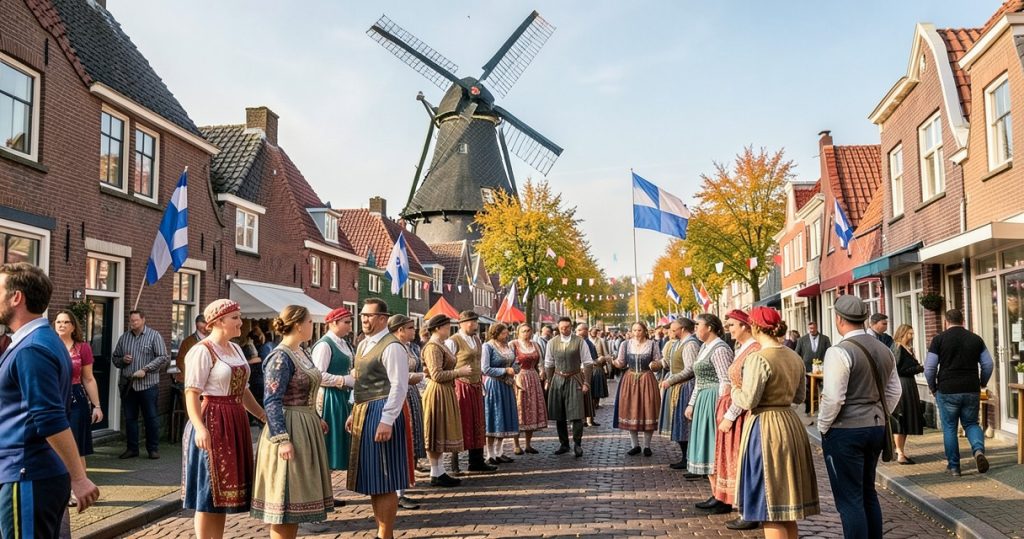
Heritage Days, held each October, culminates in a parade that winds through the heart of Holland, drawing participants from neighboring townships and surrounding counties. The route, a three‑mile stretch along Main Street, is lined with spectators who cheer as marching bands, school groups, and historic reenactors display period costumes. The parade’s float competition encourages local businesses to design elaborate displays that incorporate Dutch symbols such as windmills, cheese wheels, and clogs, fostering friendly rivalry and creative expression.
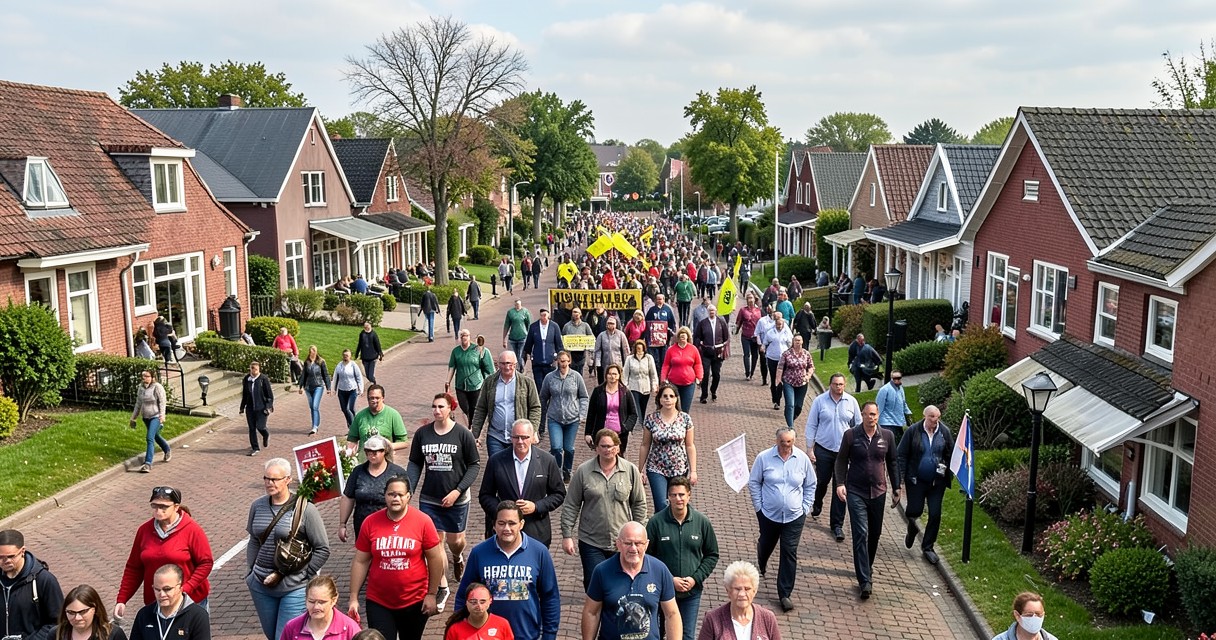
Volunteer coordination for Heritage Days is managed by the Holland Civic Council, which recruits over 200 volunteers to handle traffic control, safety inspections, and cleanup efforts. Volunteers receive a modest stipend, but many cite the personal satisfaction of contributing to a tradition that unites the town. The council also partners with the local police department to provide a safety briefing that emphasizes responsible crowd management, ensuring a secure environment for all attendees. This partnership illustrates how civic institutions collaborate to sustain large‑scale community events.
Historical Society’s Living History Programs
The Holland Historical Society offers immersive programs that transport participants to the town’s early days through living history demonstrations. During summer weekends, costumed interpreters reenact daily chores such as butter churning, blacksmithing, and candle making within the restored 1872 schoolhouse. Schools across the county schedule field trips to these sessions, allowing students to experience hands‑on learning that aligns with state educational standards for social studies. Attendance records show that more than 1,500 students have participated in the past five years, reinforcing the program’s educational impact.
Funding for these initiatives comes from a blend of grant awards, private donations, and a modest admission fee. The society recently secured a state heritage grant that covered the purchase of period‑accurate tools and the restoration of a 19th‑century carriage. By integrating authentic artifacts with interactive storytelling, the society creates an environment where history feels immediate and relevant, encouraging residents to view their town’s past as a source of pride rather than a static museum piece.
Local Artisans and Craft Fairs
Throughout the year, Holland hosts a series of craft fairs that highlight the talents of local artisans who specialize in Dutch‑inspired crafts such as wooden shoe carving, Delft‑style pottery, and lace weaving. The spring fair, held in the town square, features over 50 vendors and attracts collectors from the broader Midwest region. Sales data indicates that participating artisans collectively earn upward of $25,000 during the event, underscoring the economic significance of these gatherings.
Organizers collaborate with the town’s economic development office to provide business workshops that teach vendors how to market their products online and manage inventory. These sessions have led to a measurable increase in year‑round sales for many craftsmen, who report a 30 percent growth in online orders after attending a workshop. By linking cultural expression with entrepreneurial training, the craft fairs reinforce Holland’s reputation as a community that nurtures both tradition and innovation.
Food Traditions that Bring Neighbors Together
Food plays a central role in Holland’s heritage celebrations, with signature dishes such as Dutch apple pie, stroopwafel, and smoked pork sausages featured at every major event. The annual “Taste of Holland” food festival, held in late summer, showcases over 20 local eateries and home cooks who compete for the coveted Golden Clog award. Judges evaluate entries based on authenticity, flavor balance, and presentation, and the winning recipes are featured in the town’s quarterly newsletter.
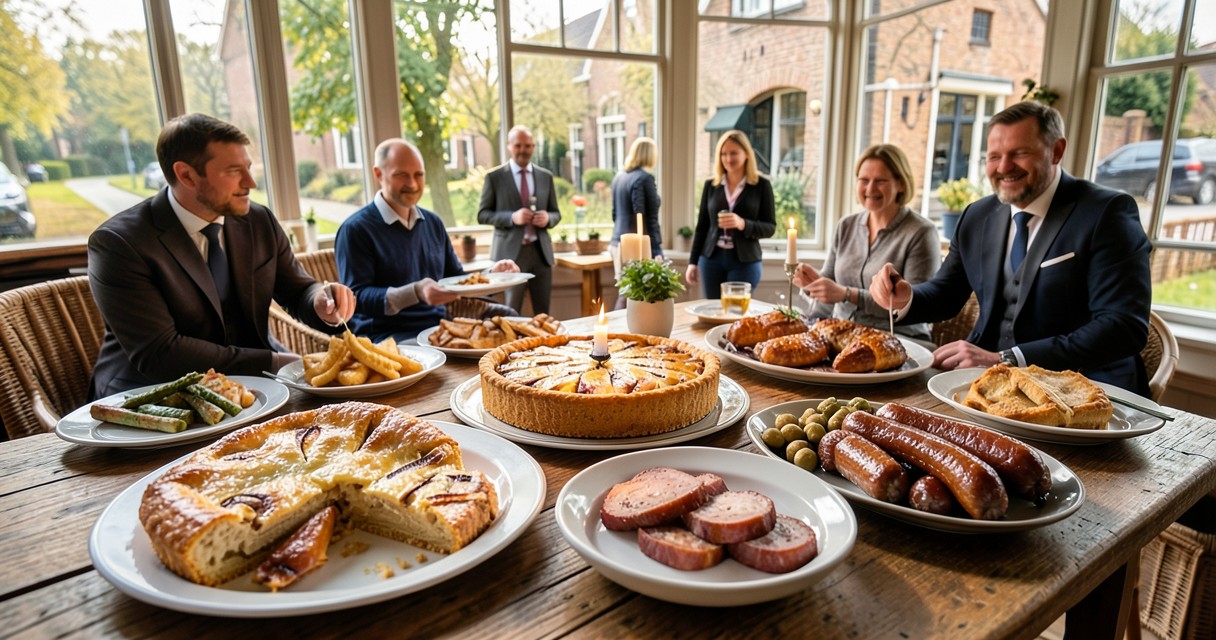
Local farms contribute fresh ingredients, creating a farm‑to‑table dynamic that supports regional agriculture. For example, the nearby Willow Creek dairy supplies the cheese used in the cheese‑on‑toast competition, while the Greenfield orchard provides apples for the signature pie. This symbiotic relationship between producers and event organizers strengthens the local food system and gives residents a tangible sense of connection to the land that sustains them.
Volunteer Opportunities and Youth Involvement
Youth participation is encouraged through programs like the Holland Junior Ambassadors, a group of high school students who assist with event logistics, welcome visitors, and promote heritage education on social media. In the past three years, the ambassador program has seen a 40 percent increase in enrollment, reflecting growing interest among younger residents to take an active role in preserving community traditions. Members receive mentorship from senior volunteers, learning skills ranging from public speaking to event planning.
Community organizations also host volunteer drives that align with specific celebrations, such as tree‑planting initiatives during the Tulip Festival and cleanup crews after Heritage Days. These drives provide flexible options for residents of all ages, allowing individuals to contribute in ways that suit their schedules and abilities. The cumulative effect of these volunteer efforts is a robust network of engaged citizens who sustain Holland’s heritage celebrations year after year.

I love exploring how communities come together and sharing stories about local events. I enjoy writing about the cultural trends that shape our social fabric and helping readers discover new experiences.