Founding and Early Settlement of Holland, Indiana
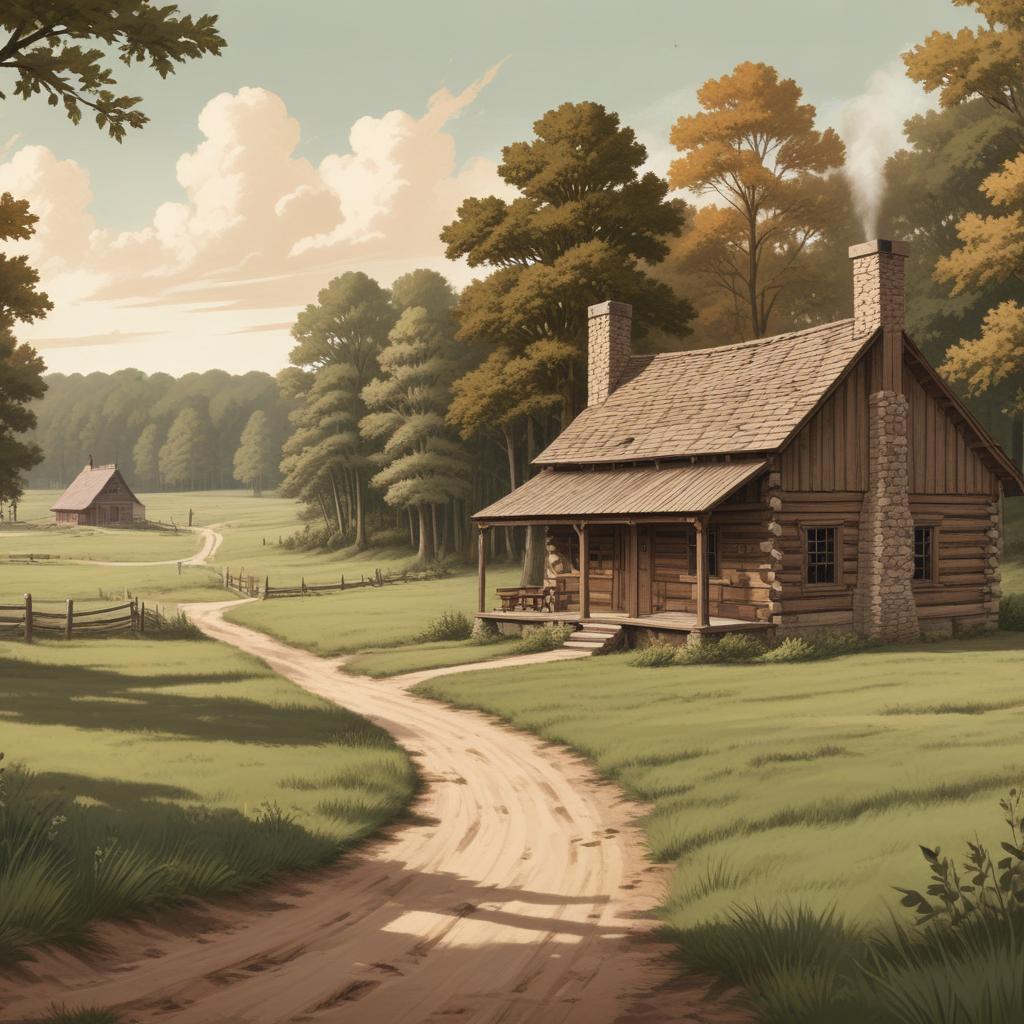
The founding of Holland, Indiana traces back to the mid-19th century, when a small group of pioneers, drawn by the promise of fertile land and opportunity, established the groundwork for the town’s future. The origins of Holland Indiana founding began around the 1850s, rooted in the vision of early settlers who sought to create a close-knit community amidst the rural landscapes of Indiana.
The earliest settlers of Holland were primarily of European descent, many migrating from the eastern states and parts of Europe, motivated by the expanding frontier and the chance to own and cultivate land. These early settlers played a crucial role in shaping the town’s infrastructure and social fabric, building homes, farms, and local businesses that anchored the town’s growth. Their determination and pioneering spirit are integral to understanding the town origin as a beacon of community development during this era.
Holland Indiana’s founding is closely linked to agricultural development, as the surrounding land was highly suitable for farming, which quickly became the economic backbone of the town. These early settlers established patterns of settlement that included family farms clustered around communal meeting points, such as churches and schools, which helped foster a sense of unity and shared purpose. This settlement pattern, characterized by close family ties and cooperative community efforts, laid the foundation for what Holland would become.
The town origin also coincides with significant infrastructural developments, including the construction of roads and later railway connections that linked Holland to larger markets and neighboring towns. These developments facilitated trade, communication, and mobility, further encouraging population growth and economic prosperity. The early settlers’ commitment to developing these connections showed their foresight and dedication to establishing Holland as a sustainable and vibrant town.
In summary, the founding and early settlement of Holland, Indiana were shaped by a determined group of settlers in the mid-1800s, whose efforts in farming, community building, and infrastructure development created a thriving town. Understanding the town origin through this lens offers valuable insight into how Holland evolved from a small settlement into a notable Indiana community.
First Settlers and Pioneers
The first settlers who arrived in Holland, Indiana, were a diverse group of pioneers driven by the promise of new opportunities and fertile land. These early pioneers embarked on their journey with the hope of establishing a strong and enduring community. Many of the first settlers came from neighboring states, bringing with them valuable skills and experiences that would help shape the settlement’s growth and culture.
These pioneers were motivated by the prospect of cultivating the land and building a peaceful town where families could thrive. Their backgrounds were varied, including farmers, craftsmen, and tradespeople, each contributing uniquely to the development of the area. The settlement history of Holland reflects the resilience and determination of these early inhabitants who faced the challenges of wilderness and adversity together.
As the community grew, the first settlers’ efforts laid the groundwork for the town’s infrastructure and social fabric. Their commitment to cooperation and mutual support helped establish a stable foundation that allowed Holland to evolve from a modest settlement into a vibrant town known for its welcoming spirit and strong community ties.
Geographical Significance
The location of Holland, Indiana was strategically chosen due to its unique geographical features and the inherent location importance that contributed significantly to its development. Situated in a region characterized by fertile land and accessible natural resources, the town capitalized on its advantageous geography to foster growth and sustainability. The surrounding land features, including gentle rolling hills and proximity to water sources, made it an ideal settlement for agriculture and early industry.
These natural land features not only provided the necessary means for farming but also influenced trade routes and transportation links, enabling Holland to become a hub in the area. Its geography allowed for easy access to neighboring towns and markets, thus fostering economic activity and community development. The town’s location importance was further enhanced by its position relative to major roads and railways, which were critical factors in its expansion during the early 20th century.
Overall, the geography of Holland played an indispensable role in shaping the town’s trajectory. The blend of advantageous land features and strategic location created a foundation that supported both the social and economic aspects of life in Holland, Indiana, highlighting why the location was thoughtfully chosen and continues to influence the town’s evolution.
Economic Development through the Years
The economic growth of Holland, Indiana has been a defining factor in the town’s development and character. Over the years, Holland has experienced significant shifts in its primary industries, influencing its local economy and trade history in profound ways. From its early agricultural roots to emerging local businesses, each phase has contributed to shaping the town’s unique economic landscape.
Initially, Holland’s economy was largely based on agriculture, with farming serving as the mainstay for many residents. The fertile lands supported crops such as corn and wheat, which not only sustained the local population but also became commodities for trade beyond the town’s borders. This agricultural base was integral in establishing early economic stability and laid the groundwork for future industrial growth.
As Holland progressed, local industries began to take root, diversifying the economic base. Small manufacturing enterprises, including woodworking and metal fabrication shops, started to appear. These businesses not only provided employment opportunities but also contributed to Holland’s reputation as a center for skilled craftsmanship. The growth of these local industries marked a transition from a purely agrarian economy toward a more industrially diversified one.
Trade history in Holland reflects its evolution as a hub connecting surrounding regions. The development of railroads and improved road systems enhanced the town’s accessibility, allowing goods produced locally to reach wider markets efficiently. This infrastructure development was critical in facilitating trade and attracting more businesses to the area. Local merchants and traders played pivotal roles in the economic vibrancy of Holland, supporting both the community and regional commerce.
In recent decades, Holland has seen continued economic growth supported by a blend of traditional industries and modern enterprises. The town has embraced small businesses, retail trade, and service-oriented industries, all contributing to a balanced local economy. Efforts to preserve the town’s historical economic roots while fostering new business opportunities have been central to sustaining Holland’s economic vitality.
Overall, the economic development of Holland through the years showcases a dynamic interplay of agriculture, local industries, and trade history. Each element has woven into the fabric of the town’s identity, driving economic prosperity and community resilience that continues to shape Holland’s future.
Agricultural and Industrial Growth
Agriculture played a foundational role in the history of Holland, Indiana, shaping its economic landscape and community development. The fertile soil and favorable climate allowed early settlers to cultivate a variety of crops, making farming the primary source of livelihood for many families. This agricultural base not only sustained the local population but also produced surplus goods that could be traded, fostering a thriving marketplace.
As time progressed, Holland witnessed the emergence of small-scale industries that complemented its agricultural economy. These industries typically included grain mills, equipment repair shops, and food processing facilities that added value to the raw agricultural products. The introduction of such industries marked a significant shift in the town’s economic history, diversifying its economic activities and creating new employment opportunities.
The combined growth of agriculture and industry contributed to the stability and expansion of Holland’s economy. With a more robust economic structure, the town attracted additional settlers and investments, further accelerating its development. This dual focus on agriculture and industry laid the groundwork for Holland’s sustained prosperity, reinforcing its identity as a community deeply connected to both its farmland and emerging industrial ventures.
Transportation and Trade
The development of transportation in Holland, Indiana, played a crucial role in shaping its trade and commerce. Initially, the town relied heavily on rudimentary roadways connecting it to nearby settlements, facilitating modest local trade. However, the arrival of the railroad dramatically transformed the area’s economic landscape. Railroads established efficient trade routes that connected Holland to larger markets beyond its immediate vicinity, allowing local producers and merchants to expand their reach and conduct commerce on a much wider scale.
These transportation improvements not only sped up the movement of goods but also attracted businesses and increased commercial activity. The trade routes created by the rail lines enabled the town to export agricultural products, manufactured goods, and raw materials more competitively. Local merchants could import necessary goods more reliably and at lower costs, stimulating diverse commercial exchanges. The synergy between advancing transportation infrastructure and active trade routes significantly bolstered Holland’s growth as a vibrant commercial hub.
As roads were further improved and maintained alongside rail development, transportation options broadened, ensuring steady commerce and encouraging economic resilience. In essence, transportation advancements facilitated Holland Indiana’s integration into regional and national trade networks, underscoring the vital link between transportation and thriving commerce in the town’s history.
Cultural and Community Evolution
The community history of Holland, Indiana reflects a rich tapestry of social and cultural evolution that has been shaped by its traditions and local events. Over the years, the town has seen a vibrant transformation in its cultural landscape, marked by a deep respect for heritage through continuing celebrations and educational initiatives. These efforts have worked collectively to foster a strong sense of identity and pride among residents.
Community events have played a pivotal role in this evolution, serving as focal points that bring residents together to celebrate their shared history and culture. Annual festivals and parades, for instance, provide an opportunity for locals to engage with one another and pass down traditions to younger generations. These gatherings not only reinforce cultural values but also promote social cohesion and collective participation in community life.
Education has also been central to preserving Holland’s cultural heritage. Local schools incorporate aspects of the town’s history and traditions into their curricula, encouraging students to appreciate their roots and community achievements. Educational programs and partnerships with local historical societies enable the youth to explore the origins of Holland’s diverse population and understand the factors that have contributed to its unique cultural identity.
The emphasis on cultural heritage is evident in the maintenance of historical sites and museums, which serve as tangible reminders of the past. These institutions are instrumental in educating both residents and visitors about Holland’s journey through time, highlighting important milestones and the contributions of various community members. Preservation efforts are a testament to the town’s commitment to honoring its past while adapting to contemporary social dynamics.
Overall, the cultural and community evolution of Holland illustrates a harmonious blend of honoring tradition and embracing change. Through vibrant community events, focused educational endeavors, and dedicated heritage preservation, Holland continues to cultivate a dynamic environment where the rich history and culture are not only remembered but actively experienced and celebrated by all generations.
Education and Institutions
The education history of Holland, Indiana, reveals a community deeply invested in the establishment and growth of its schools and local institutions. From its earliest days, education has been a cornerstone of town development, fostering a sense of community pride and open opportunities for its residents. The first local schoolhouses were modest but served as essential gathering places where children learned foundational skills and local values.
As the town grew, so did its educational infrastructure. New schools were built to accommodate increasing student populations, reflecting the community’s commitment to quality education. These institutions were more than just places to learn academics—they became social and cultural hubs that brought residents together for events and shared goals. Over the decades, schools in Holland have played a vital role in shaping the town’s identity, offering programs that not only focused on academics but also on arts, athletics, and civic engagement.
Local institutions like libraries, community centers, and museums have also contributed significantly to education and community development. They have provided spaces for lifelong learning and community involvement, reinforcing the values first instilled by the town’s schools. Together, these educational institutions have helped Holland maintain a robust and connected community, ensuring that future generations are well-equipped both intellectually and socially.
Festivals, Traditions, and Community Life
Holland, Indiana, boasts a rich tapestry of local festivals and community events that play a vital role in defining the town’s cultural identity. Among the most cherished celebrations is the annual Tulip Festival, a vibrant event inspired by the town’s Dutch heritage. This festival features colorful parades, traditional Dutch dancing, and an array of crafts and foods that highlight Holland’s unique cultural roots. It serves as a gathering point for residents and visitors alike, strengthening community bonds through shared celebration.
Throughout the year, Holland hosts numerous other community events that bring people together, including seasonal farmers’ markets, holiday parades, and art fairs. These events not only support local artisans and farmers but also foster a spirit of collaboration and neighborhood pride. Traditions such as the annual Christmas tree lighting and Fourth of July fireworks display have become emblematic of the town’s close-knit social fabric, encouraging families to participate in collective joy and memory-making.
Community life in Holland is further enriched by volunteer organizations, church groups, and recreational clubs that orchestrate social activities and outreach programs. These traditions and events collectively create a warm, welcoming environment that celebrates the town’s heritage while nurturing ongoing community spirit. In every festival and gathering, the people of Holland honor their past, relish their present, and look forward to a vibrant future together.

I love exploring how communities come together and sharing stories about local events. I enjoy writing about the cultural trends that shape our social fabric and helping readers discover new experiences.