Overview of Green Space Development in Holland, Indiana
Green space development plays a crucial role in shaping the quality of life in Holland, Indiana. As urban areas expand, maintaining and enhancing parks, gardens, and natural landscapes becomes essential for creating a healthy and vibrant community. The concept of green space development in Holland, Indiana, involves a comprehensive urban planning approach that balances growth with environmental preservation. By integrating green spaces into the fabric of the town, local authorities aim to offer residents recreational opportunities, improve air quality, and foster a stronger connection to nature.
The importance of green space development extends beyond aesthetics. In Holland, Indiana, parks and green corridors contribute to biodiversity by providing habitats for local wildlife. They also help mitigate urban heat effects, reduce stormwater runoff, and promote mental health and well-being among residents. Recognizing these multifaceted benefits, the local government has placed green space development at the forefront of its urban planning Holland initiatives.
Recently, Holland, Indiana has launched several initiatives aimed at expanding and enhancing its parks and recreational areas. One key project includes the renovation of existing Holland Indiana parks with upgraded facilities, walking trails, and native plant gardens. These efforts not only improve the usability and beauty of green spaces but also encourage community engagement through organized events and volunteer programs. Additionally, the town has invested in new green corridors that connect different neighborhoods, making it easier for residents to enjoy natural surroundings as part of their daily routines.
Urban planning Holland efforts also emphasize sustainability and accessibility, ensuring that green space development is inclusive for all age groups and abilities. The local government collaborates closely with environmental experts, planners, and community members to develop strategies that blend ecological conservation with recreational needs. This collaborative approach has led to the creation of vibrant, multifunctional green spaces that enhance the overall urban environment.
In summary, the green space development initiatives in Holland, Indiana reflect a proactive commitment to fostering a livable and sustainable community. Through thoughtful urban planning and continuous improvements to Holland Indiana parks, the town ensures that green spaces remain an integral part of its landscape, contributing to health, leisure, and environmental stewardship for current and future generations.
History and Current Landscape
The history of green spaces in Holland, Indiana, is deeply intertwined with the town’s commitment to preserving its natural charm and promoting urban nature. Early settlers recognized the value of maintaining open, green areas amidst development, leading to the establishment of small parks and communal gardens that served as gathering places for the community. Over the decades, this historical dedication to green spaces has evolved, ensuring that Holland not only retained its scenic beauty but also enhanced it through thoughtful planning and preservation efforts.
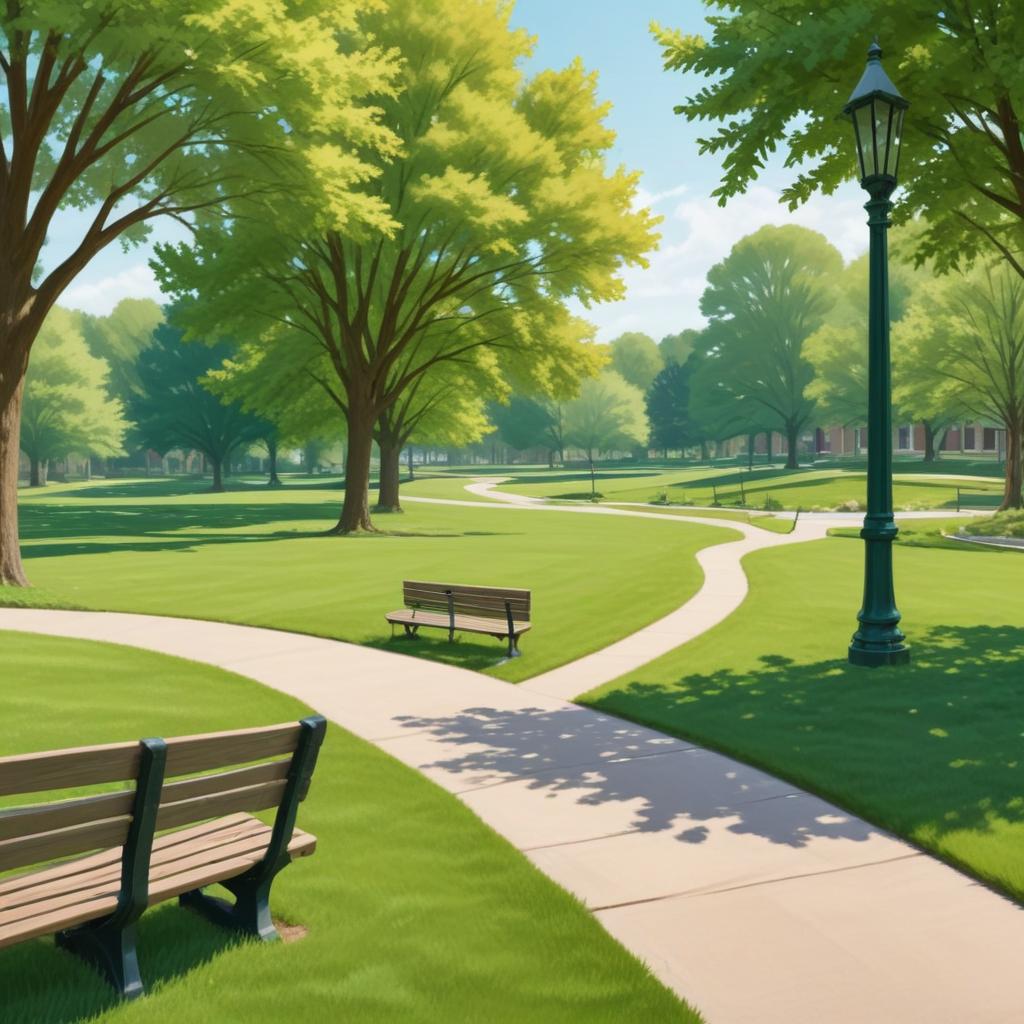
Today, the current parks in Holland showcase a vibrant landscape of recreational and natural areas that blend seamlessly with the urban environment. These parks offer residents and visitors a chance to enjoy the beauty of nature without leaving the town center. Urban nature in Holland is manifested through tree-lined streets, maintained trails, and preserved wetlands that support local wildlife. The integration of green infrastructure reflects an ongoing commitment to sustainability and community well-being, making Holland a model for balancing urban growth with ecological sensitivity.
Holland’s green spaces continue to serve as vital hubs for outdoor activities, environmental education, and social interaction. From historic parks that tell the story of the town’s past to newly developed natural preserves, the green spaces in Holland represent a living legacy of the town’s dedication to fostering a healthy, inviting environment for generations to come.
Government and Community Initiatives
Recent local government projects in Holland have shown a strong commitment to expanding and enhancing green spaces throughout the city. These initiatives include the development of new parks, the revitalization of existing natural areas, and the incorporation of sustainable landscaping practices. By prioritizing green infrastructure, the local government projects aim to improve air quality, provide recreational opportunities, and support local wildlife habitats, all while fostering a healthier environment for residents.
The role of community involvement in supporting these green space projects cannot be overstated. Residents of Holland actively participate in volunteer clean-up events, tree planting drives, and public forums that help shape the direction of green space development. This collaborative spirit between the government and community ensures that projects meet the needs and desires of local citizens while promoting a shared responsibility for maintaining beautiful, accessible outdoor areas.
Community groups and local organizations often partner with city officials to advocate for sustainable growth and educate the public on the benefits of preserving natural spaces. This partnership not only accelerates the pace of green space projects but also fosters a stronger sense of neighborhood pride and stewardship. Together, these efforts are transforming Holland into a greener, more vibrant place where nature and community thrive side by side.
Environmental and Social Benefits of Green Spaces
Green spaces in Holland, Indiana, provide significant environmental benefits that enhance the overall health and sustainability of the community. These areas contribute to improved air quality by filtering pollutants and reducing carbon dioxide levels, thereby lowering the carbon footprint of the town. Trees and plants found in parks and recreational areas absorb greenhouse gases and release oxygen, making the air cleaner and healthier for residents. Additionally, green spaces help manage stormwater runoff, reducing the risk of flooding and soil erosion. This natural water regulation protects the local ecosystem and preserves water quality in nearby streams and rivers.
The social impact of parks and green areas in Holland is equally important. These spaces serve as communal hubs where people of all ages can engage in recreational and social activities, fostering a sense of community and belonging. Social interaction in parks supports mental health by reducing stress, anxiety, and feelings of isolation. Families, friends, and neighbors gather to enjoy outdoor activities, enhancing social cohesion and encouraging a healthy, active lifestyle. The availability of green spaces also promotes inclusivity by providing accessible areas for diverse groups to share and connect.
Moreover, the green space advantages extend to educational opportunities and cultural enrichment. Local parks often host environmental education programs that engage youth and adults alike, raising awareness about environmental stewardship and conservation. This education strengthens the community’s commitment to preserving natural resources while encouraging sustainable living practices. The aesthetic beauty of well-maintained green areas also enhances the quality of life, increases property values, and attracts visitors, contributing to local economic vitality.
In summary, green spaces in Holland, Indiana offer multifaceted benefits that bridge environmental health with social well-being. They improve air and water quality, mitigate urban heat, and provide essential habitats for wildlife. Simultaneously, they enrich community life by enabling social connections, encouraging outdoor activities, and fostering environmental awareness. By valuing and investing in green spaces, Holland secures a healthier and more vibrant future for its residents and the natural environment they share.
Improvement of Local Biodiversity
Green space development in Holland plays a crucial role in improving local biodiversity by creating and preserving habitats that support a wide variety of native plants and wildlife. By incorporating native plants Holland into these spaces, the ecological balance is enhanced, fostering a sustainable environment where indigenous species can thrive. Native plants are well adapted to the local climate and soil, which means they require less maintenance and provide essential resources such as food and shelter for local fauna.
Expanding green spaces also acts as a critical step toward supporting wildlife habitat diversity. These areas serve as safe corridors and breeding grounds for birds, insects, and small mammals, helping to offset habitat loss due to urban development. The presence of diverse plant species attracts pollinators and other beneficial insects that are vital for ecosystem health. Moreover, healthy green spaces contribute to better air and water quality, indirectly supporting the overall biodiversity in Holland.
Efforts to develop and maintain green spaces with a focus on local biodiversity not only strengthen the ecological resilience of Holland but also enhance community well-being by reconnecting residents with nature. Such developments foster educational opportunities about native species and conservation, further encouraging stewardship and appreciation of the natural environment. Ultimately, green space development is indispensable for protecting and enriching local biodiversity and wildlife habitat in Holland.
Enhancing Community Health and Well-being
Parks and green spaces play a vital role in enhancing community health by providing residents with accessible locations to engage in outdoor activities. These natural environments encourage physical exercise, such as walking, jogging, cycling, and playing sports, which are essential for maintaining cardiovascular health, muscle strength, and overall fitness. By promoting an active lifestyle, green spaces help reduce the incidence of chronic diseases like obesity, diabetes, and heart conditions within the community.
In addition to physical benefits, parks contribute significantly to mental wellness. Mental wellness parks with serene landscapes, walking trails, and quiet sitting areas offer a peaceful retreat from the stresses of daily life. Spending time in these green areas has been shown to lower stress levels, reduce anxiety and depression, and improve mood by fostering a deeper connection with nature. This mental reprieve is especially important in today’s fast-paced world and aids in overall emotional balance for residents.
Furthermore, green spaces act as social hubs that encourage recreational opportunities and community interaction. Organized group activities such as yoga classes, sports leagues, and community events foster social connections and strengthen neighborhood bonds. These interactions enhance social well-being and build a sense of belonging among residents. Ultimately, by integrating green areas into urban planning, Holland Indiana promotes healthier bodies, minds, and communities.
Future Plans and Sustainable Development Strategies
Holland, Indiana is poised to embark on an ambitious journey towards enhancing its green space landscape through a series of future green projects that prioritize environmental sustainability and community well-being. The town’s vision for green infrastructure Holland is deeply rooted in sustainable urban planning principles that aim to seamlessly integrate natural elements into the urban fabric, ultimately fostering a healthier and more resilient environment.
One of the cornerstone initiatives in Holland’s future plans is the expansion of parks and recreational areas, with a focus on creating interconnected green corridors that provide habitat for local wildlife while offering residents accessible spaces for relaxation and outdoor activities. These corridors will not only enhance biodiversity but also contribute to improved air quality and stormwater management, reflecting the town’s commitment to sustainable urban planning.
In tandem with expanding green spaces, Holland is integrating green infrastructure solutions such as rain gardens, permeable pavements, and urban tree canopies into its development projects. These strategies help mitigate the impacts of urban runoff, reduce heat island effects, and conserve water resources. By prioritizing these elements in new developments and retrofitting existing urban areas, Holland ensures that sustainability remains a key component of its growth trajectory.
Community involvement is also a critical part of Holland’s sustainable development approach. Plans include fostering partnerships with local organizations and residents to maintain and champion green spaces, thereby encouraging stewardship and environmental education. This inclusive approach ensures that the benefits of future green projects are widely shared and that the community has a direct role in shaping the town’s green future.
Through a comprehensive strategy that blends innovative green infrastructure with future green projects, Holland is setting a precedent for sustainable urban planning in small towns. These efforts promise to enhance the quality of life for residents while preserving the natural beauty and ecological integrity that define Holland, Indiana’s unique character.
Planned Green Space Expansions
Holland, Indiana is gearing up for exciting park expansions and the introduction of new green areas that promise to enhance community planning efforts and improve residents’ quality of life. The upcoming projects focus on increasing the accessibility and size of green spaces, making the town a more vibrant and environmentally friendly place to live. Among the planned expansions is the enlargement of Maplewood Park, which will see additional walking trails, picnic areas, and native plant gardens. This expansion aims to create a serene retreat within the town’s center that encourages outdoor activities and community gatherings.
In addition to Maplewood, new green areas are slated for development along the northern edge of Holland, transforming underutilized land into lush parks that promote biodiversity and provide natural habitats for local wildlife. These spaces will include playgrounds, open fields, and interactive educational installations that highlight sustainable practices. The community planning team has worked closely with residents to identify locations where these expansions and new parks will have the most positive impact, ensuring equitable access across neighborhoods.
The anticipated benefits of these new green spaces extend beyond aesthetics. They are expected to foster stronger community bonds by creating venues for social events and recreational activities. Moreover, increasing green spaces contributes to environmental health by improving air quality, reducing urban heat, and supporting stormwater management. Overall, Holland’s planned park expansions and new green areas reflect a forward-thinking approach that prioritizes sustainability and the well-being of its residents.
Sustainability Practices in Development
Sustainable development is a cornerstone of green space projects in Holland, Indiana, ensuring that new initiatives harmonize with the natural environment while meeting community needs. By emphasizing eco-friendly design, planners integrate energy-efficient materials, native plant species, and permeable surfaces that reduce runoff and enhance groundwater recharge. These methods not only lower the environmental footprint but also foster habitats for local wildlife, promoting biodiversity within urban settings.
Environmental stewardship is deeply embedded in every stage of green space development. This approach involves community engagement to preserve natural resources and maintain ecological balance. Strategies such as rain gardens, solar lighting, and recycled construction materials exemplify Holland’s commitment to sustainability. Through careful planning and ongoing maintenance, green spaces serve as living examples of responsible land use that sustains the health of both the environment and the community.
Green space projects in Holland prioritize reducing carbon emissions and waste by incorporating sustainable development principles that can be replicated in future endeavors. The focus remains on creating resilient landscapes that withstand climate variations while enhancing residents’ quality of life. In doing so, Holland, Indiana, positions itself as a leader in integrating environmental stewardship with urban growth, fostering a healthier, greener future for all.

I love exploring how communities come together and sharing stories about local events. I enjoy writing about the cultural trends that shape our social fabric and helping readers discover new experiences.