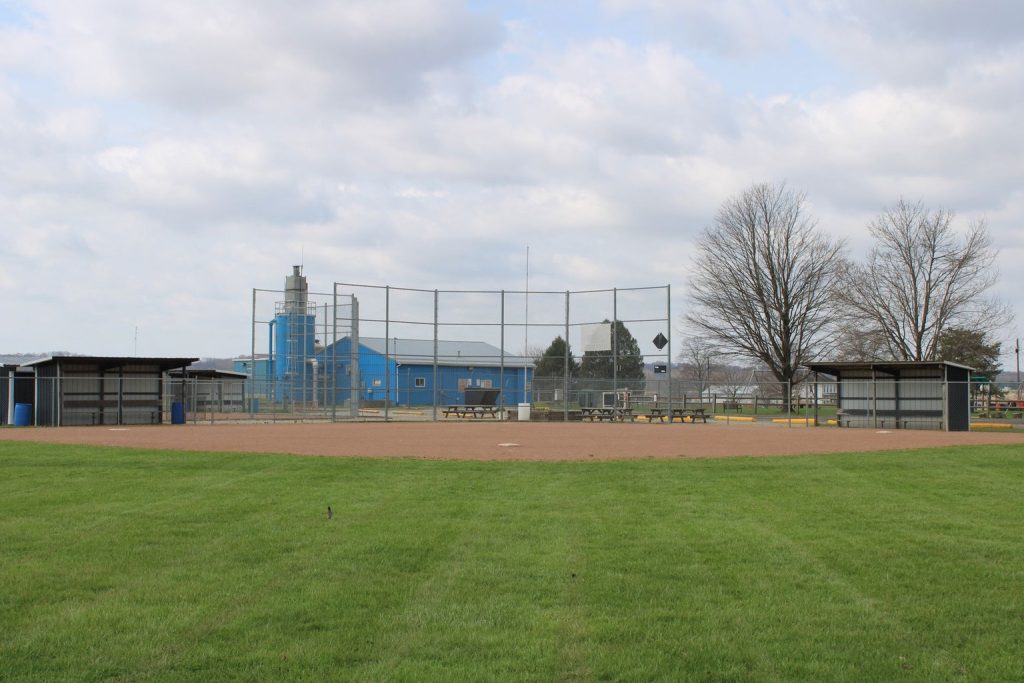
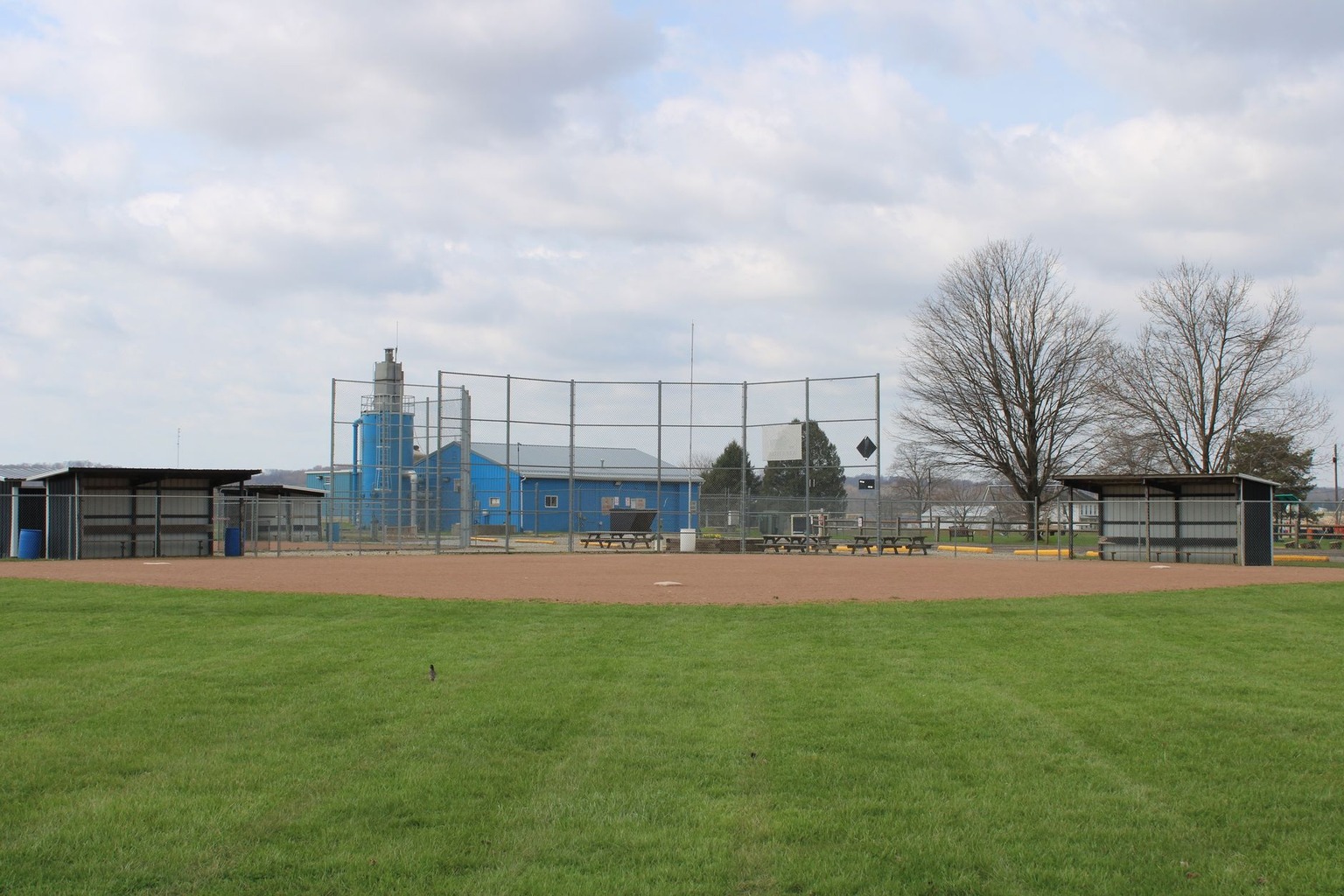
Community sports leagues are the backbone of neighborhood cohesion, offering more than just physical activity, they build trust, foster mentorship, and create shared identity in ways few other local initiatives can match. In cities where social isolation and fragmented relationships are growing concerns, these leagues serve as a practical bridge between individuals and the larger fabric of their community. Whether through youth baseball teams, adult soccer clubs, or pickup basketball games, the structured yet inclusive environment of a league encourages regular interaction outside of work or school routines, which is exactly what strengthens the social glue of a neighborhood.
Assess Your Neighborhood’s Current Engagement Levels
Before launching a new league, it’s essential to understand what already exists and where the gaps lie. Take a walk through your neighborhood parks and community centers, observe which age groups are active, and note whether there’s a demand for specific sports. In Wichita, for example, a partnership between local leagues helped identify that youth football participation had dropped by 15 percent over five years, prompting a targeted revival effort that included parent volunteer training and equipment grants. Look for informal gatherings, like street soccer games or pickup basketball, as early indicators of interest. If you notice consistent turnout at these events, it’s a sign that a formalized league could thrive. Poll residents through social media groups or neighborhood apps to gauge interest in particular sports, and consider partnering with local schools or churches to cross-promote the idea. Without this groundwork, you risk creating a league that either struggles to attract participants or fails to sustain momentum.
Another critical step is evaluating the existing infrastructure. Do your parks have well-maintained fields, lighting, and restrooms? Are there nearby facilities with locker rooms or training spaces? In Alexandria, a $2 million commitment from a sports equipment manufacturer helped upgrade a local park’s baseball diamond, which directly boosted enrollment in the city’s youth league by 30 percent. If your neighborhood lacks basic amenities, prioritize securing partnerships with city officials or corporate sponsors to address these needs before launching. For instance, the Boys & Girls Clubs of America often collaborates with local businesses to provide gear and coaching certifications, ensuring leagues can operate even in resource-limited areas. Skipping this step can lead to frustration for participants and volunteers alike, as they’ll quickly become discouraged by poor conditions.
Define Your League’s Goals Beyond Just Playing a Sport
A successful league doesn’t just focus on winning games, it sets clear social and developmental goals that align with the broader needs of the neighborhood. For instance, some leagues prioritize teaching life skills like teamwork and resilience, while others emphasize breaking down generational barriers by pairing older mentors with younger players. In one Indianapolis program, a partnership between a Little League affiliate and a local Boys & Girls Club included mandatory workshops on financial literacy and conflict resolution, which were attended by 85 percent of participating families. These goals should be communicated upfront to volunteers and participants to ensure everyone is on the same page. Without defined objectives beyond the sport itself, the league risks becoming just another recreational activity without lasting impact.
To make these goals tangible, work with community leaders to identify specific challenges your neighborhood faces. Is there a need for better youth mentorship? Are adults looking for ways to stay active and connected? In Wichita, a merged youth football league addressed both by offering parent-coach training sessions alongside game days, which reduced turnover among adult volunteers by 20 percent. Tie your league’s activities to these needs, whether through skill-building workshops, intergenerational games, or community service projects tied to the sport. For example, a softball league could partner with a local food bank to organize a “home run for hunger” event where players collect donations during tournaments. This approach ensures the league isn’t just a social outlet but a meaningful contribution to the community’s well-being.
Recruit and Retain Volunteers Who Align With Your Vision
Volunteers are the lifeblood of any community sports league, and their commitment directly influences the league’s success. Start by casting a wide net for potential leaders, parents, retirees, and even former athletes, who share your vision for the league. In Indianapolis, a successful league recruitment drive targeted local business owners by offering them leadership roles in fundraising or event coordination, which not only filled critical positions but also strengthened corporate ties to the neighborhood. Make sure volunteers understand the time commitment required; some leagues require a minimum of 10 hours per season, including game-day responsibilities. Transparency about expectations upfront prevents burnout and ensures you attract the right people. Additionally, consider creating a volunteer training program that covers everything from conflict resolution to basic coaching techniques. This not only builds confidence among new leaders but also reinforces the league’s professionalism.
On Research & Tech Talks, they cover research-related topics – you can watch a helpful video on how to write a research proposal right here.

Retention is just as important as recruitment. Recognize volunteers publicly, whether through shout-outs at games, a monthly newsletter, or a dedicated “Volunteer of the Month” award. In one league, a simple gesture like providing volunteers with branded apparel (like jerseys or hats) boosted morale and loyalty, with 60 percent of recipients returning for a second season. Also, offer flexibility in roles so volunteers can choose commitments that fit their schedules. For example, some may prefer to handle logistics while others enjoy coaching, and accommodating these preferences keeps people engaged. Finally, foster a sense of community among volunteers themselves by organizing social events, like a post-season potluck or a volunteer appreciation day at the park. When volunteers feel valued and connected to one another, they’re far more likely to stay involved long-term.
Structure Your League for Accessibility and Inclusivity
The most successful leagues are those that welcome everyone, regardless of skill level, background, or physical ability. Start by offering multiple divisions, beginner, intermediate, and advanced, so players can choose a level that challenges them without feeling overwhelmed. In a program in Alexandria, a mixed-age division for youth baseball allowed younger players to learn from older peers, while also giving older players a chance to mentor. This approach not only improves skill development but also strengthens intergenerational bonds. Additionally, consider partnering with local adaptive sports organizations to include players with disabilities, as this not only expands participation but also sends a powerful message about community inclusion. For instance, some leagues have introduced wheelchair-accessible fields or modified rules for players with visual impairments, ensuring everyone can fully engage.
Cost is another major barrier to participation, so design your league’s structure to minimize financial hurdles. Look into sliding-scale registration fees, scholarships for families in need, or even a “pay-it-forward” model where participants who can afford it cover the costs for those who can’t. In one Indianapolis initiative, a league partnering with a local credit union offered financial literacy workshops alongside discounted registration for participants who completed the course, which increased enrollment by 25 percent. Also, leverage community resources, like school gyms or church halls, for practices and tournaments to reduce overhead costs. Transparency about fees and available support options upfront builds trust and ensures families feel comfortable joining. When a league feels open and welcoming to all, it becomes a true reflection of the neighborhood’s diversity and unity.
Leverage Partnerships to Amplify Impact and Sustainability
No league operates in a vacuum, and the strongest ones are those that build strategic partnerships to amplify their reach and resources. Start by reaching out to local businesses, schools, and nonprofits to see how they can support your efforts. In Wichita, a youth football league secured a $50,000 sponsorship from a sports equipment company in exchange for branding opportunities and player spotlights in their marketing materials. This partnership not only provided much-needed funding but also gave the league visibility beyond the neighborhood. Look for organizations that align with your league’s goals, whether it’s a health clinic partnering to promote fitness or a library offering free book drives tied to the season. These collaborations can also open doors to additional funding, like grants from organizations like the Boys & Girls Clubs of America, which often prioritize community-based sports initiatives.

Partnerships can also extend to other sports leagues in your area. Collaborating with neighboring leagues to host joint tournaments or skill-sharing events can increase participation and reduce duplication of efforts. For example, a softball league and a baseball league might team up to offer a combined “Summer Slugger Festival” that attracts families who might not otherwise commit to a single sport. These cross-league events not only boost engagement but also foster goodwill among different community groups. Additionally, partner with local media outlets, whether newspapers, blogs, or podcasts, to cover league events and highlight success stories. In one case, a league in Alexandria gained national attention after a local reporter featured their mentorship program, which led to a surge in volunteer applications and corporate donations. By positioning your league as a community asset, you create a ripple effect that strengthens the neighborhood as a whole.
Measure Success Beyond Win-Loss Records
The ultimate measure of a league’s success isn’t how many games it wins but how it transforms the neighborhood. Track qualitative outcomes like increased social interaction, improved mental health among participants, and stronger ties between families and local institutions. In one Indianapolis program, a survey of parents found that 92 percent reported their children had developed better communication skills through teamwork, while 80 percent said the league had strengthened their connection to the neighborhood. These metrics are just as important as player stats. Consider conducting annual surveys or focus groups with participants and volunteers to gather feedback on what’s working and what could improve. For example, if you notice that parents are struggling to balance work and game days, you might introduce a “flexible scheduling” option for practices.
Quantifiable metrics can also provide valuable insights. Track enrollment numbers, volunteer retention rates, and participation in community service events tied to the league. In Alexandria, a league that incorporated a “clean-up day” before each tournament saw a 10 percent increase in community engagement, as players and families took pride in maintaining their local parks. Monitor these metrics over time to identify trends, like a drop in youth participation during certain months, and adjust your programming accordingly. For instance, if you notice enrollment dips in winter, you might introduce indoor skill-building sessions or partner with a gym to offer cross-training opportunities. By continuously evaluating your league’s impact, you ensure it remains relevant and effective in meeting the evolving needs of your neighborhood.

I love exploring how communities come together and sharing stories about local events. I enjoy writing about the cultural trends that shape our social fabric and helping readers discover new experiences.