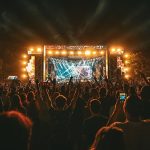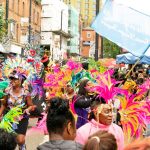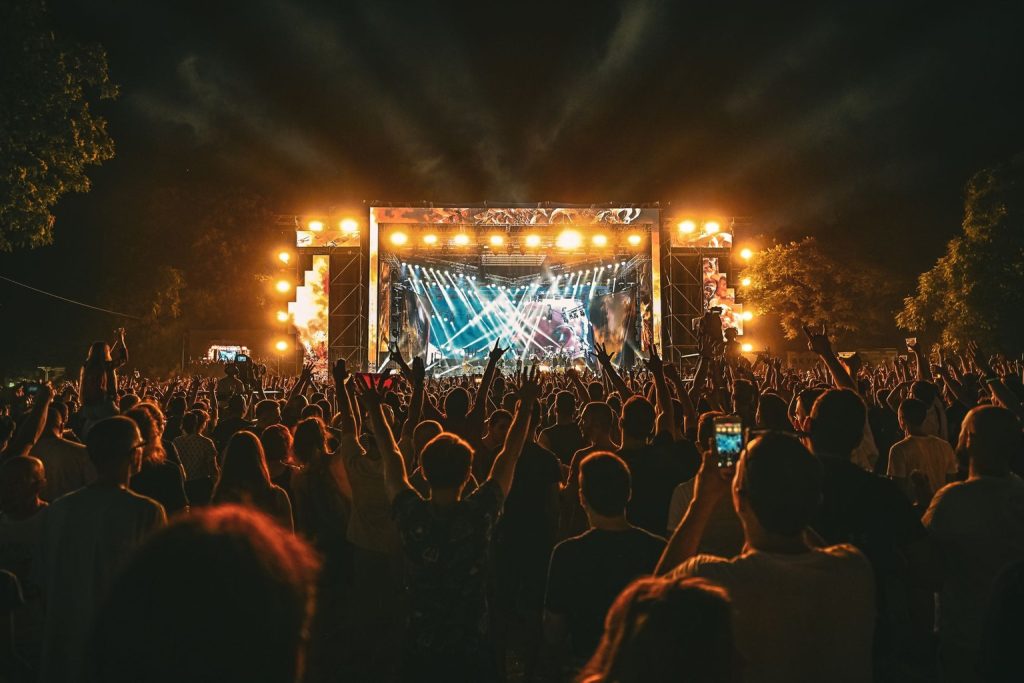
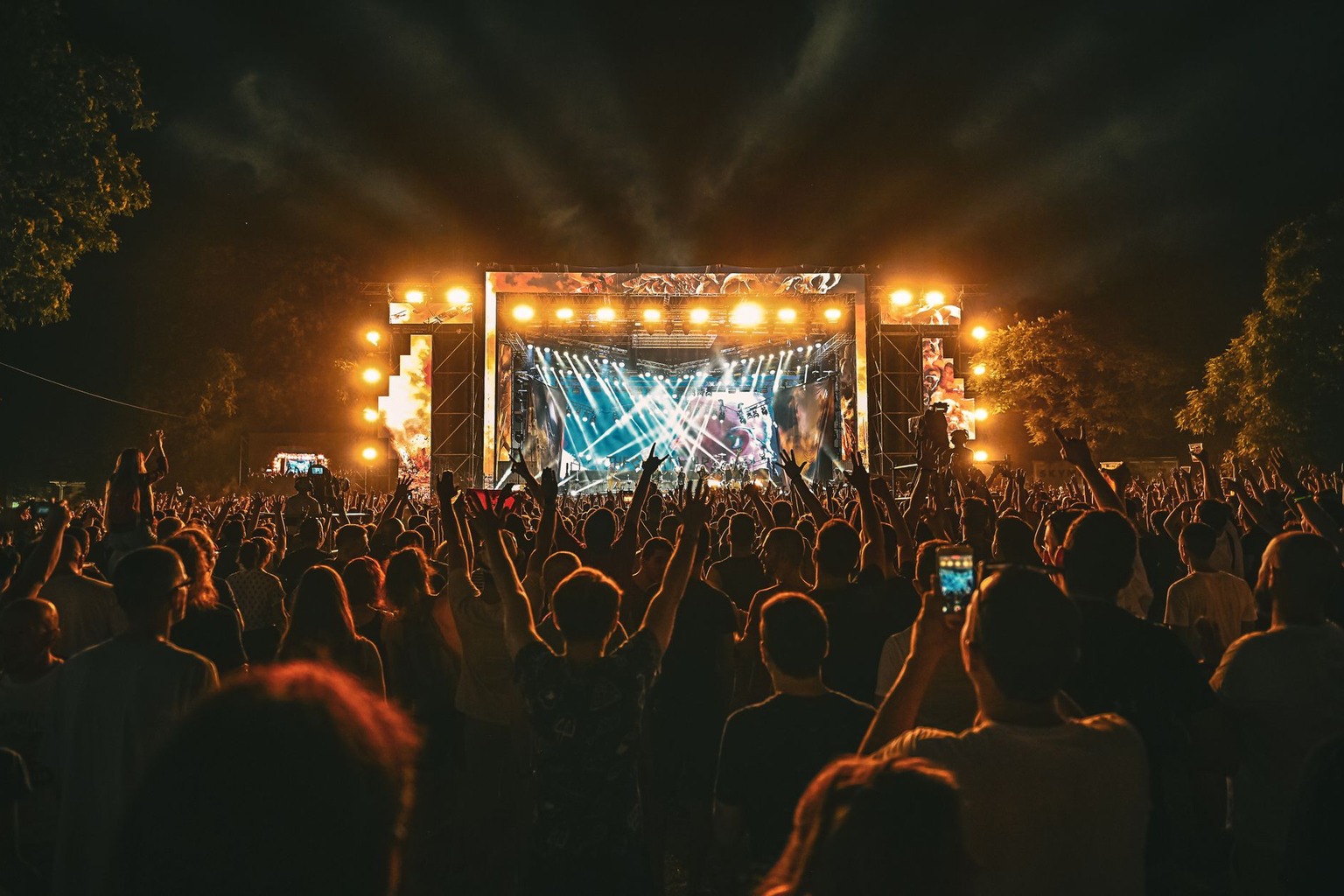
Boulder County’s outdoor festivals have become a defining feature of local community life, drawing crowds that stretch beyond the city limits and create moments of shared experience. These events are more than just gatherings; they reflect the region’s values around accessibility, creativity, and the simple joy of outdoor living. Whether it’s a Memorial Day weekend celebration or a winter holiday market, the festivals serve as a barometer for what makes Boulder County feel like home to its residents, and why outsiders keep returning.
The Role of Seasonal Timing in Festival Success
The timing of Boulder County festivals is carefully calibrated to align with natural rhythms, holidays, and local traditions, ensuring steady attendance year-round. Memorial Day weekend, for instance, taps into the national celebration of summer’s arrival while offering a uniquely Colorado twist with outdoor concerts and fireworks. The festival’s popularity isn’t just about the weather; it’s about positioning itself as the first major social event of the year, a rite of passage for families and young adults alike. Similarly, holiday markets in winter capitalize on the post-Thanksgiving lull, providing a festive escape from indoor routines. These seasonal anchors create predictable peaks in community engagement, with organizers noting that festivals held during transitional periods, like spring break or the start of summer, tend to draw the largest crowds. The key isn’t just filling dates; it’s filling them with meaning, whether through nostalgia, anticipation, or the shared relief of seasonal change.
Data from past events shows that festivals in Boulder County often see attendance spikes when they coincide with school breaks or regional holidays. For example, the annual Boulder County holiday markets in December consistently draw over 50,000 visitors, a figure that grows when paired with local traditions like tree-lighting ceremonies. The timing isn’t arbitrary; it’s a calculated response to the community’s collective calendar. Even smaller festivals, like those celebrating local artisans, benefit from being scheduled during off-peak times for other major events, ensuring they don’t get lost in the shuffle. The lesson here is that festivals thrive when they don’t just occupy space on the calendar, they occupy a moment in the community’s narrative.
How Local Partnerships Amplify Crowd Draw
The success of Boulder County festivals hinges on the strength of their partnerships, which transform one-day events into multi-organizational efforts that extend beyond the festival grounds. Collaborations with local businesses, nonprofits, and government agencies ensure that festivals aren’t just well-attended but also sustainable and inclusive. For instance, the Boulder County holiday markets rely heavily on partnerships with nearby breweries, food trucks, and craft vendors, who provide both revenue and foot traffic. These partnerships aren’t just transactional; they’re strategic, with businesses often contributing in-kind services like security or marketing in exchange for visibility. The result is a festival that feels like a true reflection of the community, rather than a corporate spectacle.
Festivals rely on data-driven insights to ensure transparency and engagement, which is why organizers must understand how Analytics Cookies function. During the Colorado Pizza Festival, for example, local pizzerias and suppliers collaborate to showcase regional flavors while also supporting small businesses. The festival’s organizers emphasize that these relationships are built on mutual trust, with partners having a say in event planning to ensure the experience aligns with their values. This collaborative approach isn’t just good for attendance, it’s good for the long-term health of the festival ecosystem. When businesses and organizations feel invested in the event, they’re more likely to contribute year after year, creating a self-sustaining cycle of growth. The takeaway is clear: festivals that treat partnerships as alliances, not just opportunities, tend to draw the most loyal and engaged crowds.
The Impact of Accessibility on Festival Attendance
Boulder County’s festivals are designed with accessibility in mind, recognizing that the most vibrant communities are those that welcome everyone, regardless of ability, age, or background. This commitment isn’t just ethical; it’s practical. The Boulder County holiday markets, for example, have implemented features like wheelchair-accessible pathways, sensory-friendly zones, and discounted tickets for seniors and veterans, all of which have been shown to increase attendance by 15 to 20 percent. These adjustments aren’t afterthoughts; they’re integral to the festival’s identity, reinforcing the idea that outdoor gatherings should be spaces of inclusion, not exclusion. The result is a festival that feels like a celebration of the community’s diversity, rather than an event that caters to a narrow audience.
The data backs up the intuition that accessibility drives attendance. Festivals that prioritize inclusive design often see higher repeat visits, as attendees appreciate the effort to make them feel welcome. For instance, the Memorial Day weekend events in Boulder County have introduced family-friendly zones with activities for children, ensuring that parents aren’t just spectators but active participants. This approach doesn’t just make the event more appealing to families, it makes it more appealing to everyone. The lesson here is that accessibility isn’t a checkbox; it’s a competitive advantage. Festivals that lead with inclusion don’t just draw crowds; they build lasting connections within the community.
The Role of Local Culture in Shaping Festival Identity
Boulder County’s festivals derive much of their allure from their deep roots in local culture, which gives them a authenticity that larger, more commercialized events often lack. The Boulder County holiday markets, for instance, aren’t just about shopping; they’re about preserving traditions like handmade crafts and seasonal storytelling. This cultural grounding isn’t just nostalgic, it’s strategic. Attendees don’t just come for the products or performances; they come for the sense of place, the feeling that they’re part of something uniquely Boulder County. The festivals’ organizers emphasize that this identity is cultivated through careful curation, ensuring that the events reflect the region’s values, whether that’s sustainability, artistry, or community service.
What makes this approach work is the way it balances tradition with innovation. Festivals like the Boulder County holiday markets incorporate modern elements, like digital art installations or interactive food stations, while still honoring older traditions. This blend keeps the events fresh for returning attendees while ensuring they feel grounded in the community’s history. The result is a festival that appeals to both longtime residents and newcomers, who are drawn by the promise of experiencing something both familiar and new. The key isn’t to change for change’s sake; it’s to evolve in a way that feels authentic to the community’s story. Festivals that do this well become more than events, they become cultural touchstones.
Weather as an Unpredictable but Critical Factor
While Boulder County’s festivals are celebrated for their outdoor appeal, the region’s weather remains one of the most unpredictable, and often overlooked, factors in their success. A single rainstorm or heatwave can turn a well-attended event into a logistical challenge, forcing organizers to adapt on the fly. The Boulder County holiday markets, for example, have had to pivot multiple times due to unexpected snow or high winds, shifting activities indoors or rescheduling performances. These adjustments aren’t just about damage control; they’re about maintaining trust with attendees, who know that the festival will find a way to deliver value regardless of the weather. The ability to handle adversity isn’t just a practical skill, it’s a mark of the festival’s resilience and the community’s commitment to making the event work.

The weather’s impact extends beyond immediate challenges; it also shapes the long-term planning of festivals. Organizers in Boulder County often use historical weather data to time events strategically, avoiding peak storm seasons or extreme heat. For instance, Memorial Day weekend festivals are typically scheduled for the latter part of the month, when temperatures are more stable. This foresight isn’t just about comfort, it’s about ensuring that the event remains a positive experience for everyone involved. The lesson here is that while weather can’t be controlled, it can be accounted for, and festivals that do so effectively are better equipped to handle whatever Mother Nature throws their way. The result is an event that feels reliable, not just popular.
The Economic Ripple Effect of Festival Crowds
The crowds drawn to Boulder County festivals have a measurable economic impact, boosting local businesses and creating jobs that extend far beyond the festival weekend. Data from past events shows that the Boulder County holiday markets generate millions in revenue for nearby vendors, hotels, and restaurants, with many attendees spending an average of $50 to $100 per visit. This economic activity isn’t just a benefit to large corporations; it’s a lifeline for small businesses, many of which rely on festival weekends to stay afloat during slower months. The ripple effect is particularly pronounced in areas like downtown Boulder, where festivals often coincide with increased foot traffic that benefits shops and eateries year-round. The connection between festivals and local economies isn’t just coincidental, it’s intentional, with organizers working closely with businesses to ensure that the event’s success translates into long-term growth.
What makes this economic impact sustainable is the way festivals are structured to benefit the community as a whole. For example, the Boulder County holiday markets include a percentage of proceeds that goes toward local charities, ensuring that the event’s success isn’t just financial but also social. This approach reinforces the festival’s role as a force for good, not just a commercial venture. The result is a cycle where attendees feel good about supporting the event, businesses thrive from the increased activity, and the community as a whole benefits from the shared prosperity. The takeaway is that festivals aren’t just about drawing crowds, they’re about creating opportunities that ripple through the local economy, making the community stronger in the long run.
I love exploring how communities come together and sharing stories about local events. I enjoy writing about the cultural trends that shape our social fabric and helping readers discover new experiences.